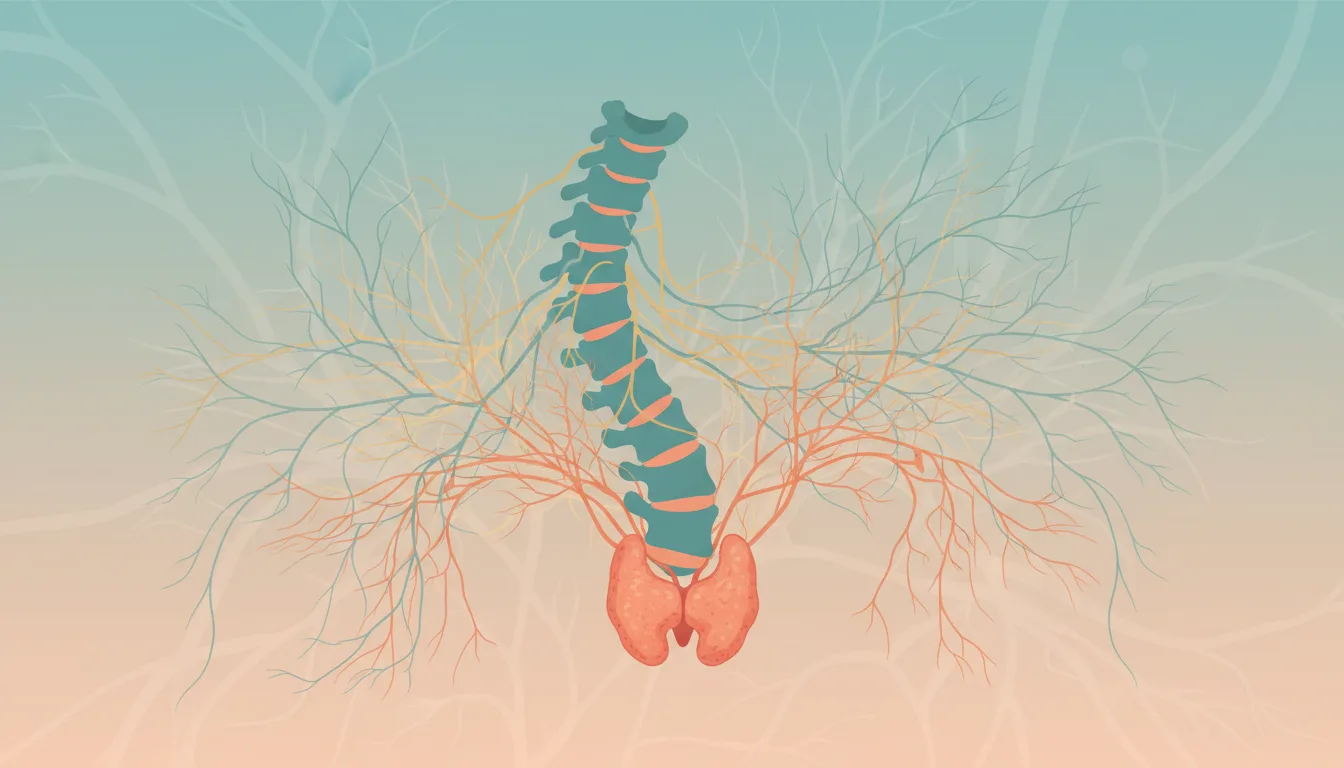
Stress and the Body: Where Tension Tends to Settle
Stress does not stay in your head. Here is how emotional and physical strain can show up in the neck, shoulders, and back, and what a whole-person approach looks like.
Expert insights, practical tips, and the latest from our team.
Stress does not stay in your head. Here is how emotional and physical strain can show up in the neck, shoulders, and back, and what a whole-person approach looks like.
Never been to a chiropractor, or new to our office? Here is a plain walk-through of what happens at a first visit, from the conversation to the structural exam.
As the weather starts to turn and humidity stays low through fall, a lot of retired patients notice more joint stiffness. Here's why, and what actually helps.

Between youth leagues, golf, and adult recreation, Surprise sees a fairly predictable set of sports injuries year-round. Here's what shows up most in my office.
A new school year means heavier backpacks and long hours at a desk. Here's how to protect your child's developing spine through the school year.
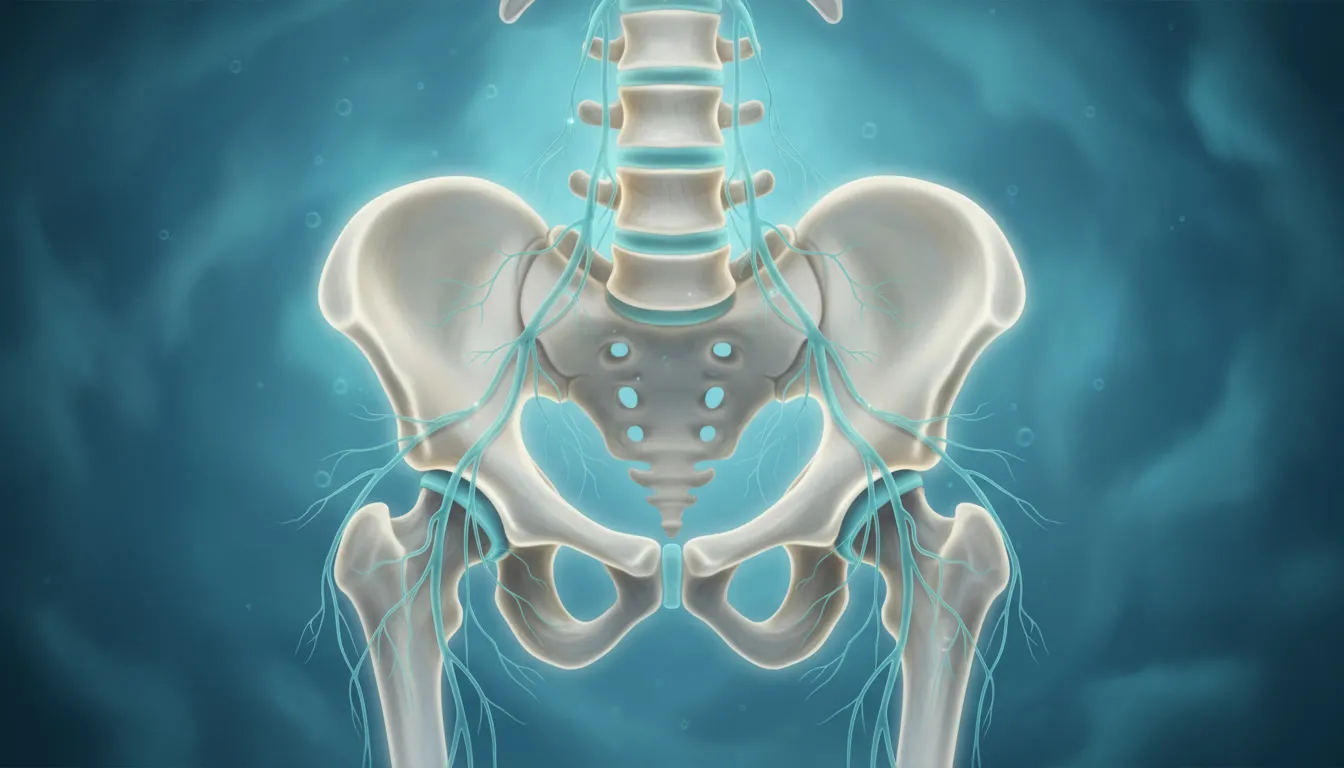
Sciatica is one of the most common reasons patients come see me. Here's an honest look at how structural correction addresses the nerve pressure behind it.
Youth sports season is ramping up across the West Valley. Growing bodies respond differently to repetitive load, and structural care matters earlier than most parents assume.

Adrenaline masks a lot right after a collision. Here's why a structural evaluation matters even when you walk away feeling okay.
As snowbirds start planning their return to Surprise for the season, here's what to know about continuing or starting chiropractic care while you're here.
Pregnancy asks a lot of your structure in a short amount of time. Here's how gentle, structural care can support that process safely.
Seizure disorders are serious neurological conditions requiring medical management. Here's an honest look at where structural nervous system support may play a supportive role.
Hours of looking down at phones and laptops are creating a distinct, common pattern I see in patients of every age. Here's what tech neck actually does structurally.
Chronic back and neck pain often becomes a cycle -- pain, compensation, more pain. Here's how structural correction can actually break that cycle.
Correcting alignment is only half the picture after an injury. Here's how rehabilitation and extremity mobilization work rebuilds what correction alone can't.
Diabetic neuropathy is a medical condition I don't treat directly, but structural nerve support and nutrition are pieces I can genuinely help with.
Back pain doesn't have to mean a lifetime of medication management. Here's the natural, structural approach we use to address it at the source.
Peak summer in the West Valley brings a predictable wave of muscle cramping. Here's how I think about it, from both a hydration and a structural angle.
Bursitis pain can be sharp and limiting, but it's often a downstream effect of a mechanical imbalance rather than a standalone problem.
Acid reflux gets treated as a purely digestive issue. Nervous system function and nutrition both play a bigger role than most people realize.
As triple-digit days arrive, dehydration quietly affects a lot more than how you feel -- it affects your joints, muscles, and recovery too.
Thyroid symptoms overlap heavily with structural and nutritional patterns I see regularly. Here's how I think about the connection.
Endonasal correction is one of the more specialized techniques I offer, and I get a lot of curious questions about it. Here's what it actually is.
Chiropractic care isn't asthma treatment, but structural alignment through the thoracic spine and ribcage can support the mechanics of breathing.
Rib pain can be alarming, especially when it comes with no obvious injury. Here's what a rib subluxation actually is and how we address it.
Foot pain often gets treated purely at the foot. But gait mechanics driven from higher up the chain are a piece that's frequently missed.
As temperatures climb, spring is peak hiking season in the White Tanks. Here's how to prepare your structure for uneven desert terrain before you go.
That rounded, hunched upper back isn't just an aesthetic issue -- it's a structural pattern with real consequences for breathing, pain, and mobility.
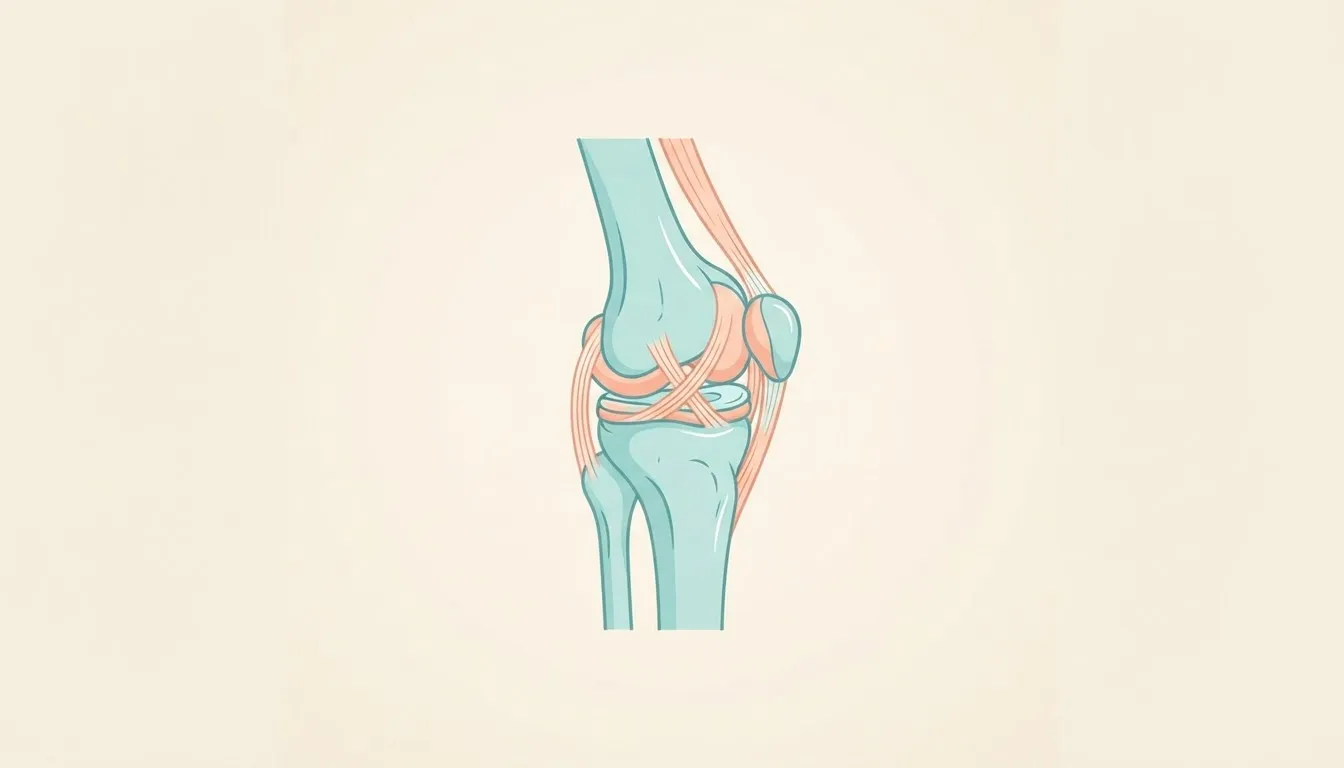
Knee pain with no obvious injury often traces back to the hip and pelvis. Here's how a structural evaluation can find what a knee X-ray misses.
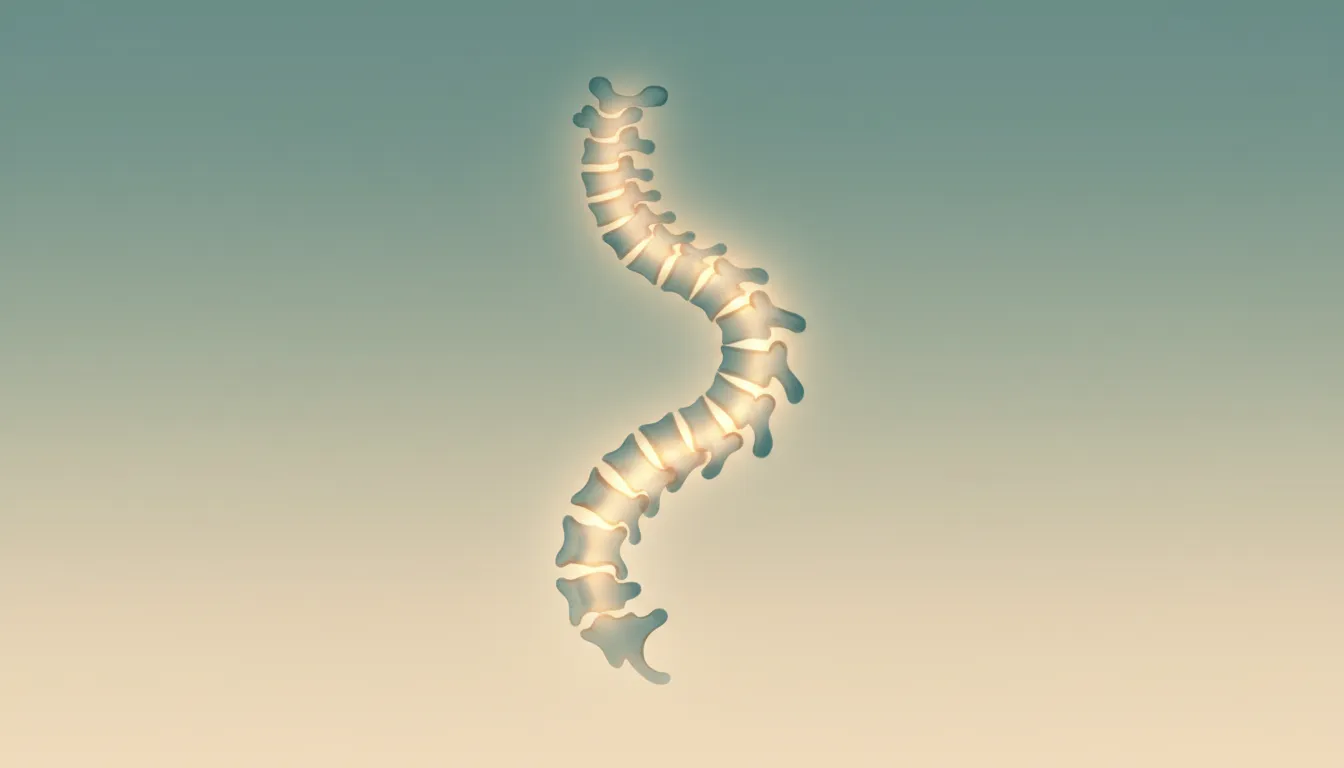
Scoliosis brings a lot of misinformation with it. Here's an honest look at what structural chiropractic care can realistically offer.
Poor posture is more than a cosmetic habit -- it's often a sign of, and a contributor to, an underlying structural subluxation. Here's the connection.
Spring gardening season brings a predictable wave of low back strain into my office. Here's how to enjoy the yard without paying for it the next day.
Not all dizziness is an inner ear problem. Cervicogenic dizziness, originating from the upper neck, is more common than most patients realize.
Arthritis isn't something chiropractic care cures, but structural support can make a real difference in how your joints function day to day.
A lot of gym injuries aren't caused by bad form alone -- they're caused by lifting on top of a structural imbalance that form correction never addresses.
Fibromyalgia rarely responds to a single-track approach. Here's why I address structure, nutrition, and sometimes the emotional piece together for these patients.
Wrist splints and surgery aren't always the answer. Sometimes what looks like carpal tunnel is actually a nerve issue starting in the neck.
Numbness and tingling in the extremities is your nervous system telling you something. Here's how to think about it and when to get it checked.
Some patients don't improve no matter what we correct structurally or nutritionally -- until we address trapped emotional patterns. Here's how that discovery changed my practice.
A herniated disc diagnosis can feel like a dead end. It isn't always -- here's how structural correction can be part of a non-surgical path forward.
January is a natural time to reset -- but most resolutions skip the structural foundation everything else depends on. Here's where I'd start.
What you eat affects how well your body responds to structural correction. Here are the foods I recommend most often to patients working through active care.
Patients rarely come in for sleep problems, but many mention their sleep improved once their structural pain resolved. Here's why that connection makes sense.
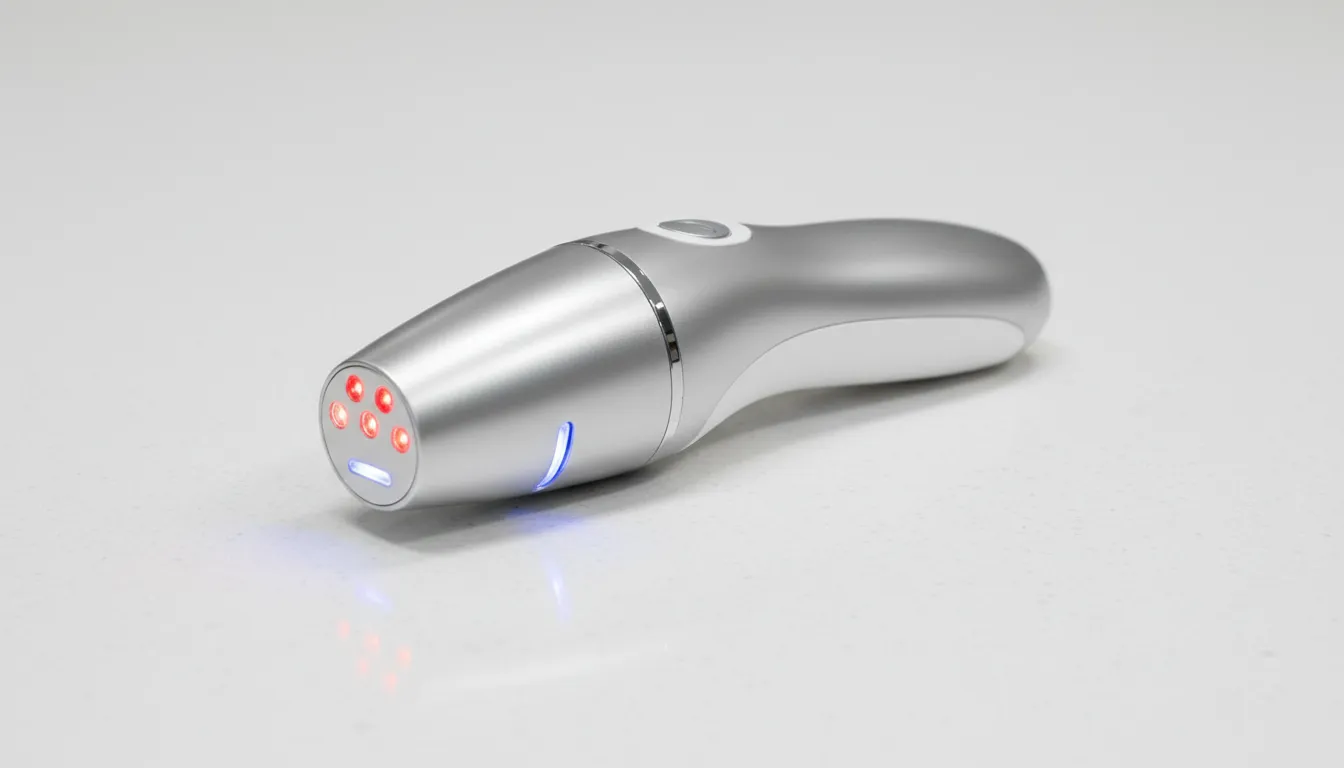
Cold laser therapy sounds futuristic, but the science behind it is straightforward. Here's how we use it alongside structural correction to support healing.
Shoulder pain often isn't really a shoulder problem -- it's a neck and upper back problem showing up in the shoulder. Here's how I approach it.
Long car rides, cramped flights, and hours of lifting bags -- holiday travel is hard on your structure. Here's how to protect your spine through the season.
Whiplash symptoms can take days to appear after an accident -- and by then, the structural damage is already there. Here's what to watch for and why waiting is a mistake.
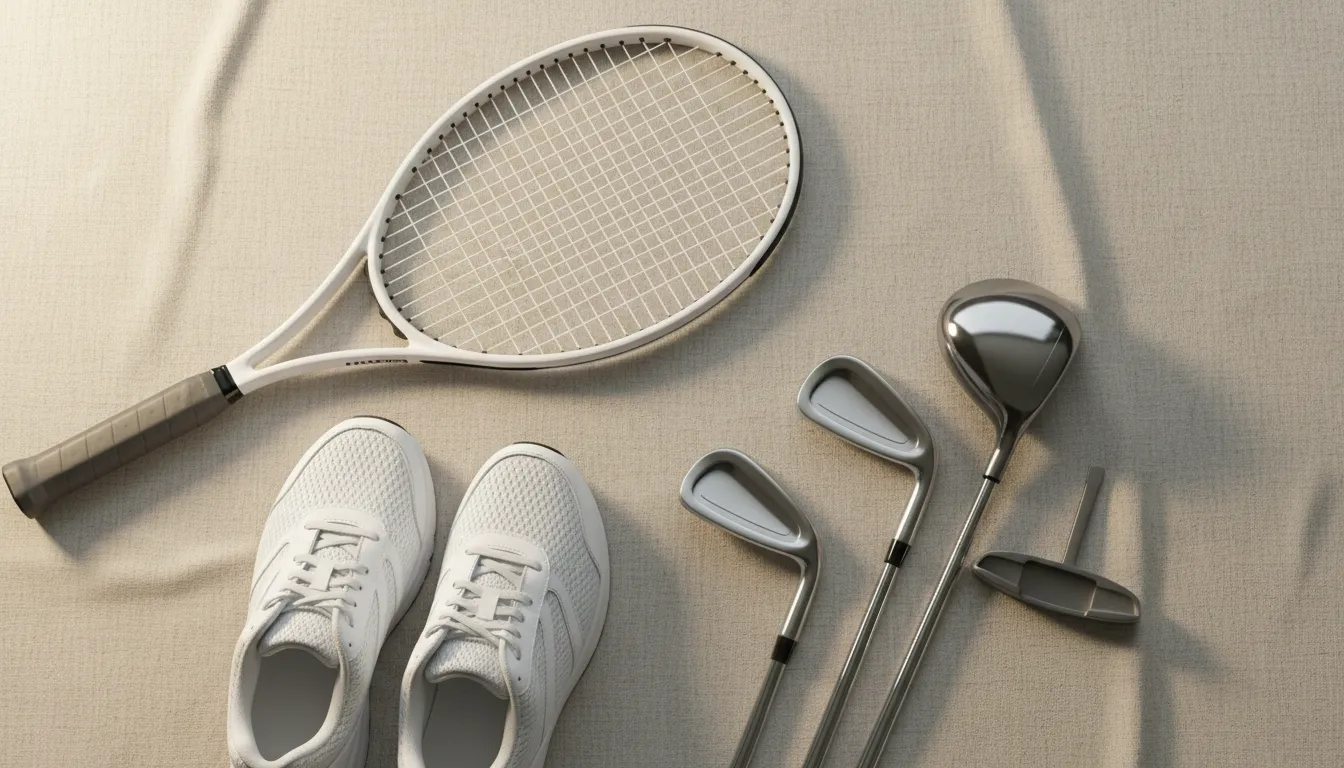
Performance and injury prevention come from the same place: a structurally balanced spine. Here's how that translates to results on the field or course.
From weekend warriors to youth athletes, sports injuries in the West Valley follow some pretty predictable patterns. Here's what I see most and how we approach care.
Some patients don't respond to structural correction alone. Nutrition Response Testing is how I find the nutritional piece that's holding them back.
Not every headache starts in your head. A surprising number trace back to structural shifts in the neck and upper spine -- here's how to tell the difference.
With more golf courses per capita than almost anywhere in the country, the West Valley sees a lot of golf-related low back and hip pain. Here's what's actually going on.
Aging well isn't about avoiding change -- it's about keeping your structure functional so the rest of your body can keep up. Here are eight ways chiropractic care supports that.
Not every ache means you need care, but some signs mean you shouldn't wait. Here's how I help patients tell the difference.
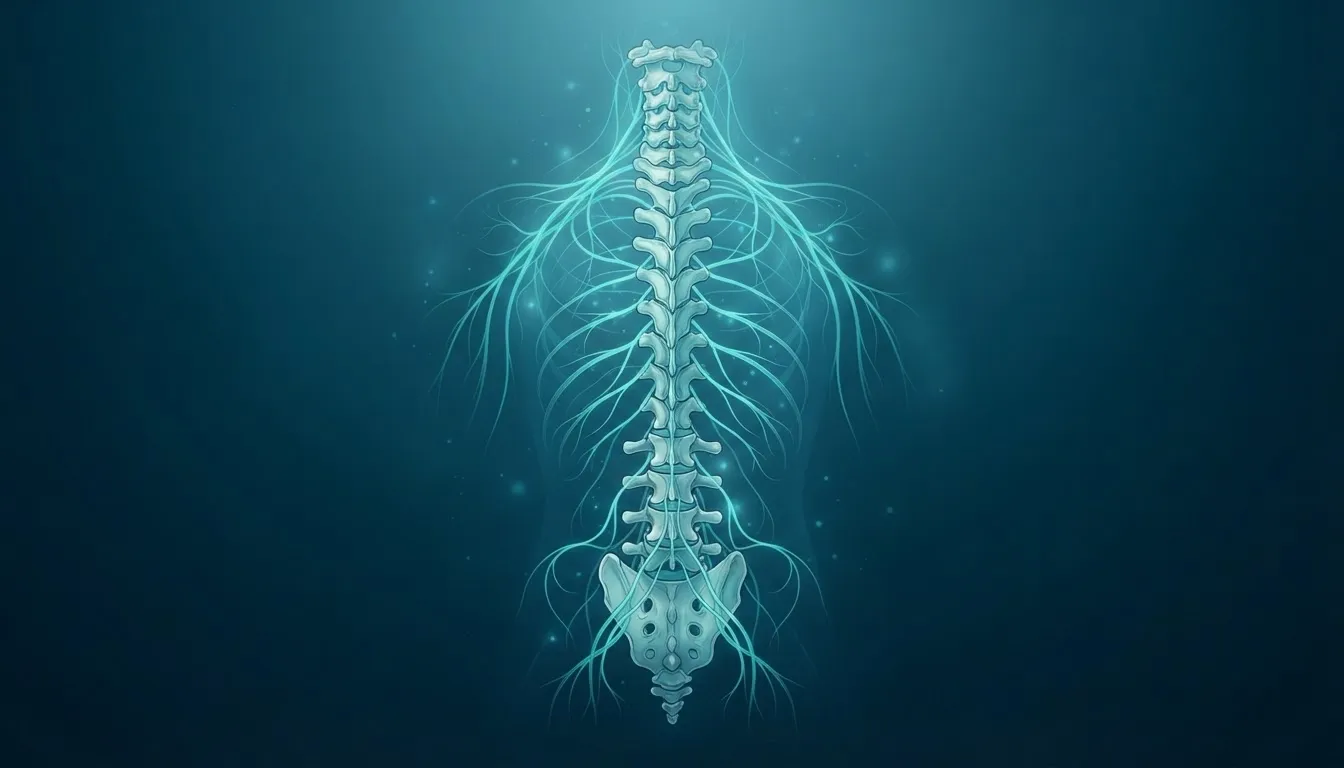
Advanced Biostructural Correction (ABC) looks at your whole spine as one structure, not a series of isolated bones. Here's how it works and why I built my practice around it.