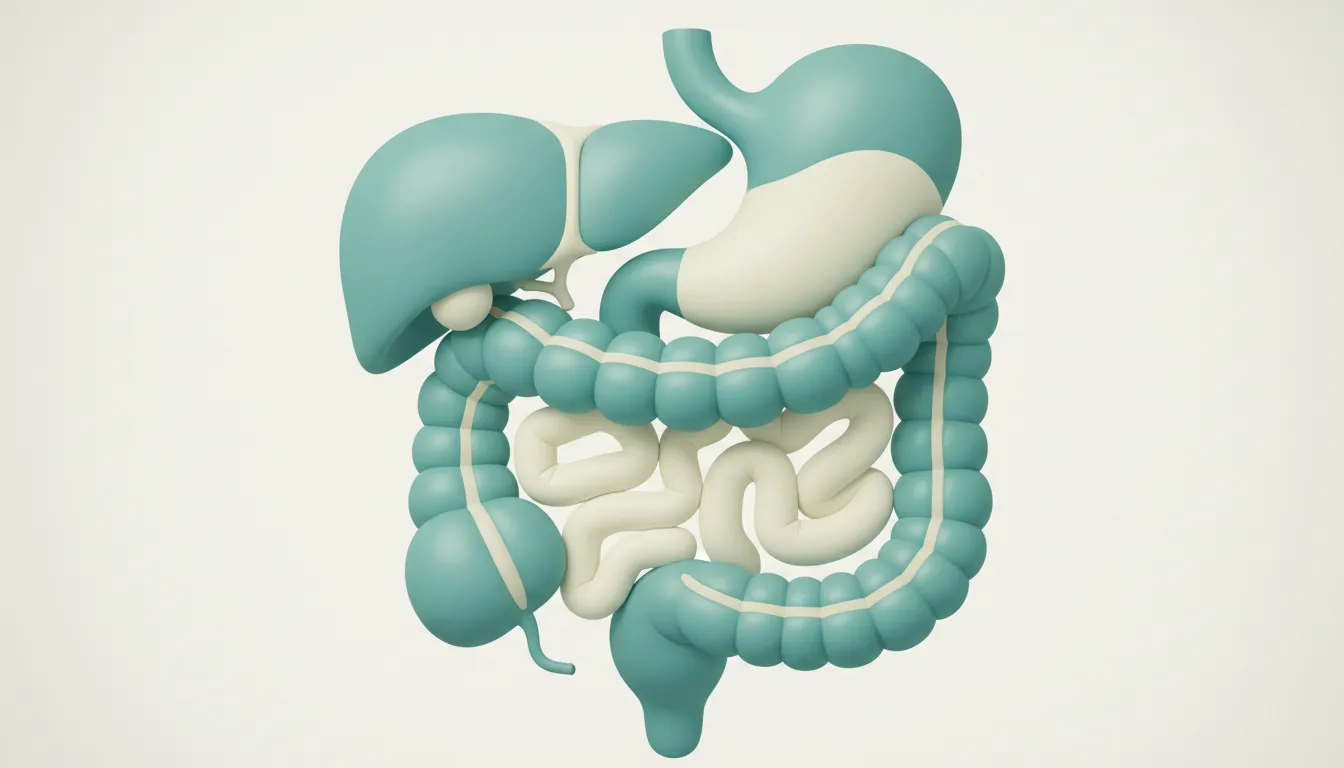
Digestion Is Controlled by Your Nervous System
Acid reflux gets treated almost exclusively as a digestive problem -- and medically, it is. But digestion itself is heavily regulated by your nervous system, particularly the nerves that exit your thoracic spine and control stomach and esophageal function. Chronic structural stress in that region can disrupt normal digestive signaling in ways that contribute to symptoms like reflux, even when the primary issue seems purely gastrointestinal.
What I Look At
A thoracic spine misalignment can interfere with the nerve signals regulating your lower esophageal sphincter and stomach function. Addressing that structural piece through Advanced Biostructural Correction doesn't replace appropriate medical management of reflux, but it can remove one contributing factor that's often overlooked entirely.
The Nutritional Angle
Beyond the obvious dietary triggers most people already know -- caffeine, alcohol, spicy or fatty foods -- underlying nutritional imbalances can affect digestive function in ways that are specific to you. Nutrition Response Testing can help identify what's actually driving your particular case rather than relying on generic reflux advice.
What I Don't Claim
I want to be clear: I'm not suggesting chiropractic care treats GERD or replaces appropriate medical evaluation, especially for reflux that's frequent, severe, or accompanied by other concerning symptoms -- those deserve proper medical workup. What I offer is a structural and nutritional angle that's often missing from a purely medication-focused approach.
Related Patterns Worth Mentioning
If reflux is showing up alongside general fatigue or symptoms overlapping with what I described in our piece on fibromyalgia-type presentations, it's worth mentioning at your visit -- these systems interact more than people expect.
What We'll Discuss at Your Visit
We'll talk through your reflux pattern in detail -- how often it happens, what tends to trigger it, and whether it correlates with stress, specific foods, or posture, such as reflux that worsens after sitting hunched over a desk shortly after eating. That detail helps us understand whether structural or nutritional factors are likely relevant contributors in your particular case, rather than applying a generic recommendation that may not match what's actually going on for you.
Eating Habits That Support Digestive Function
Beyond structural and nutritional care, simple eating habits -- not lying down immediately after meals, eating more slowly, and avoiding large meals late at night -- genuinely support digestive function alongside whatever structural work we're doing. None of these replace appropriate medical evaluation for persistent reflux, but they're practical, low-effort changes that complement the rest of your plan.
When to See a Gastroenterologist
Frequent, severe reflux, difficulty swallowing, or unintended weight loss alongside reflux symptoms all warrant a gastroenterology evaluation rather than assuming structural or nutritional causes alone explain the picture. We'll always point you toward that referral when your presentation suggests it's needed.
Stress and Digestive Function
Chronic stress affects digestive function through the same nervous system pathways we discuss with structural care, which is part of why stress-heavy periods often coincide with worse reflux symptoms for many patients. Addressing overall nervous system stress, alongside structure and nutrition, rounds out a genuinely complete approach to supporting your digestion.
Tracking What Actually Helps
We encourage patients to notice which specific changes correlate with better or worse reflux days -- certain foods, meal timing, stress levels, or posture during and after eating. That kind of personal pattern recognition, brought to your visits, helps us fine-tune recommendations specific to you rather than relying on generic advice alone.
A Complementary Approach
If you're managing reflux medically but still dealing with regular symptoms, structural and nutritional evaluation might reveal a piece of the picture your current treatment hasn't addressed. Call (623) 226-7527 or request an appointment.