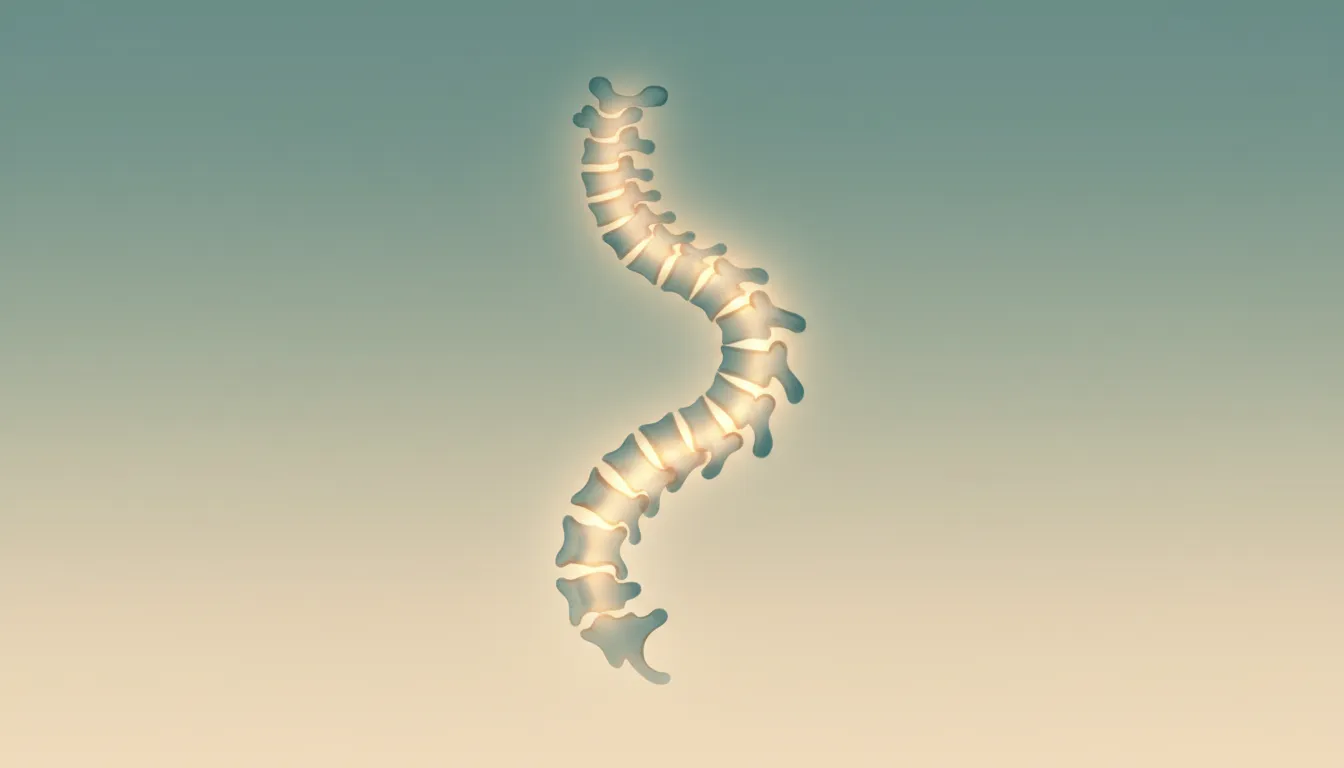
The Headache That Starts in Your Neck
A large share of the headaches I see in this office aren't primarily a "head" problem at all -- they're cervicogenic, meaning they originate from structural issues in the neck and upper spine. Patients are often surprised by this. They've tried medication, dark rooms, caffeine, and hydration, and gotten partial relief at best, because none of that addresses a misaligned upper cervical spine irritating the nerves and tissues that refer pain into the head.
How to Tell the Difference
A few patterns point toward a neck-driven headache:
- Pain that starts at the base of the skull and wraps forward
- Headaches that worsen with certain neck positions or after long periods at a desk
- Stiffness or reduced range of motion in the neck alongside the headache
- Headaches that follow a pattern tied to posture, stress, or screen time rather than food or hormones
That doesn't mean every headache is structural -- migraines have other drivers too -- but when a headache has a clear mechanical trigger, the neck deserves a real look before assuming it's "just migraines."
What We Actually Check
At SpringBack, we evaluate the alignment of your entire spine, not just the neck in isolation, using Advanced Biostructural Correction. The upper cervical spine is uniquely sensitive -- even a small shift there can create outsized referred pain -- but it rarely shifts on its own. Usually there's a compensation pattern running down through the rest of the spine that needs to be addressed for the correction to hold.
Screens Make This Worse
If you spend your day at a desk or looking down at a phone, you're asking your neck to hold a forward head position for hours, which is exactly the kind of sustained load that drives cervicogenic headaches. It's one of the most common patterns I see in working-age patients across Surprise and the broader West Valley.
Beyond the Adjustment
For patients dealing with frequent headaches, we sometimes also look at nutritional guidance, since dehydration and certain nutritional deficiencies can lower your threshold for headache triggers even when the structural piece is the primary driver. Addressing both tends to get better, more durable results than either alone.
Tracking Your Headache Pattern Helps
Before your first visit, it's worth paying attention to when your headaches happen, what position or activity tends to trigger them, and whether neck stiffness accompanies them. That pattern gives us real, useful information during your evaluation, beyond just "I get headaches often." Patients are sometimes surprised how much detail their own headache pattern actually reveals once we walk through it together -- a headache that reliably shows up after a long stretch of desk work looks very different, diagnostically, from one that seems to come out of nowhere.
Reducing Reliance on Medication Over Time
Many patients come in already managing headaches with regular over-the-counter or prescription medication, and I understand why -- pain relief matters in the moment. As structural correction addresses the underlying cause, the goal is a gradual reduction in how often you need to reach for medication, not an overnight change. We track that pattern with you over the course of care, since a real drop in medication frequency is one of the clearest signs the correction is actually working.
You Don't Have to Live on Pain Relievers
If headaches are a regular part of your week and you've never had your neck structurally evaluated, that's a gap worth closing. Call (623) 226-7527 or request an appointment and let's find out whether your neck is part of the picture.