Why I Practice Differently Than Most Chiropractors
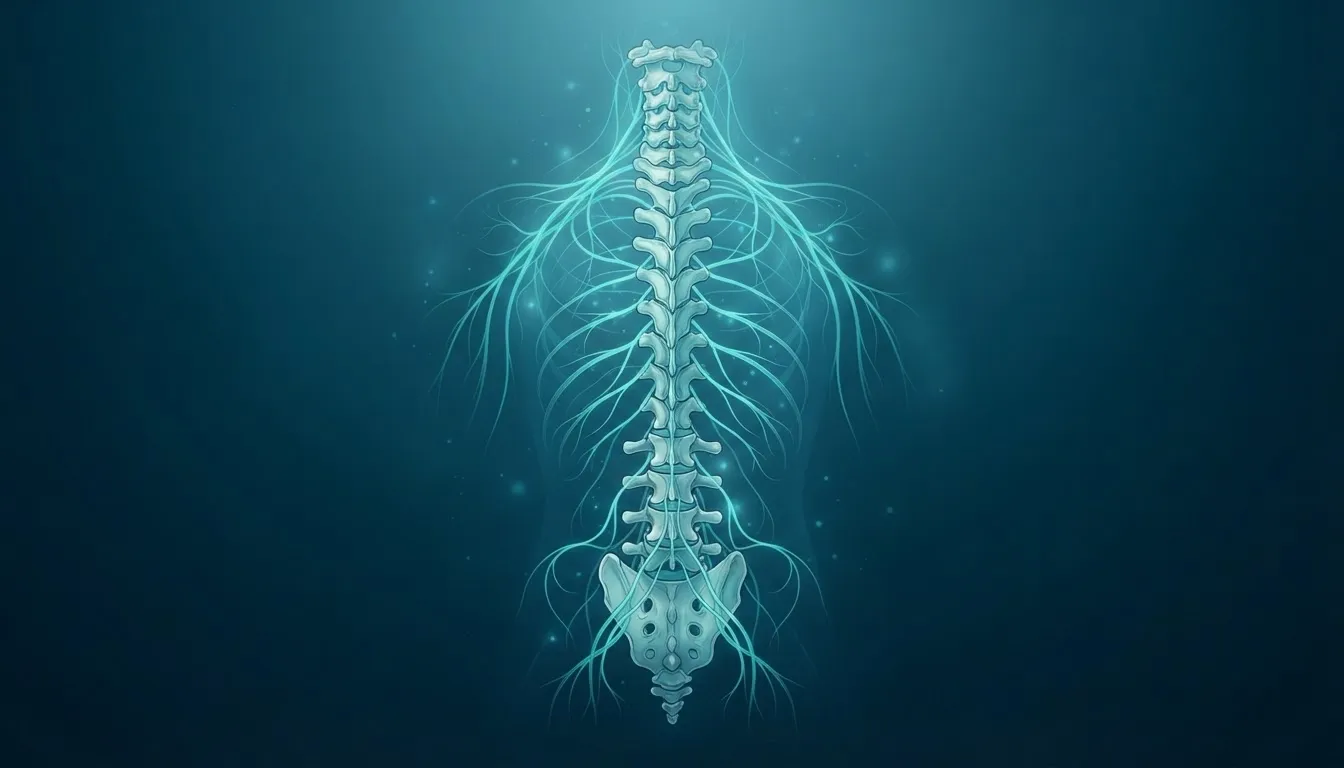
When patients ask what makes Advanced Biostructural Correction (ABC) different from a standard chiropractic adjustment, I tell them the truth: most chiropractic techniques work on the spine one segment at a time. ABC addresses the spine as a single interconnected structure, because that's what it actually is. A shift at the base of your skull changes how your lower back holds weight. A rotated pelvis changes the curve in your neck. You cannot fix one region and ignore the rest and expect a lasting result.
I didn't come to ABC by accident. Early in my own health journey I needed a technique that addressed root structural causes, not just symptoms, and ABC was the first approach I found that had a genuinely consistent, measurable methodology behind it.
How ABC Works
ABC uses a full-spine analysis, typically supported by structural imaging, to map how your spine has actually shifted out of its ideal alignment -- not just where you feel pain. Pain is often the last thing to show up and the first thing to go quiet, which is why so many patients feel "fine" for a while and then the same problem resurfaces. ABC corrections are designed to move the entire structure back toward a stable, weight-bearing position, rather than manipulating a single joint in isolation.
Adjustments themselves are precise and controlled. This isn't about forceful twisting. It's about applying the right correction, in the right direction, based on where your structure has actually deviated.
Who ABC Helps
I see this approach help with a wide range of presentations at our chiropractic care visits:
- Chronic low back pain that hasn't responded to generic stretching or rest
- Recurring headaches and migraines tied to neck and upper spine position
- Postural collapse that develops over years of desk work or repetitive movement
- Old injuries that never fully resolved because only the symptomatic area was ever treated
Because ABC looks at the whole structure, it's also often the starting point I use before layering in nutritional guidance or other care -- a body that's structurally unstable has a harder time responding to anything else you throw at it.
What a First Visit Looks Like
Your first visit isn't a five-minute adjustment. We spend real time understanding how your structure got to where it is -- old injuries, work habits, sports history, even stress patterns -- because all of it shows up in your spine eventually. From there we build a plan specific to your structure, not a generic protocol.
Set Realistic Expectations
ABC is not a promise of a cure, and I won't tell you it is. What I can tell you is that addressing structure at its root, rather than chasing symptoms one at a time, is why patients who've tried "everything else" often see a different trajectory once we start here.
How Long Does Correction Typically Take?
There's no universal timeline, because it depends on how long your structure has been shifted and how many compensation layers have built up around it. A recent shift from a single incident tends to respond faster than a pattern that's been developing for a decade. What I can tell you honestly is that ABC is not designed as a single-visit fix. Your first several visits focus on making the initial correction and stabilizing it, and follow-up visits are spaced out as your structure holds the correction better over time. We reassess your structure periodically throughout care, not just at the start, so your plan reflects where you actually are, not where we assumed you'd be.
Why ABC Uses Imaging
Structural imaging isn't optional in this approach -- it's how we objectively confirm where your spine has actually shifted rather than relying purely on how you feel, which is notoriously unreliable when it comes to structural alignment. We compare your imaging to what a stable, weight-bearing spine looks like, which gives us a measurable target for correction, not a vague sense of "better." This is part of what separates ABC from generic adjustment: we're working from actual data about your structure, and we can point to specific measurements when we track your progress over the course of care.
Ready to Have Your Structure Evaluated?
If you're in Surprise, AZ and dealing with a pain pattern that keeps returning no matter what you try, an ABC structural evaluation is the place to start. Call us at (623) 226-7527 or request an appointment and let's find out what your spine is actually doing.