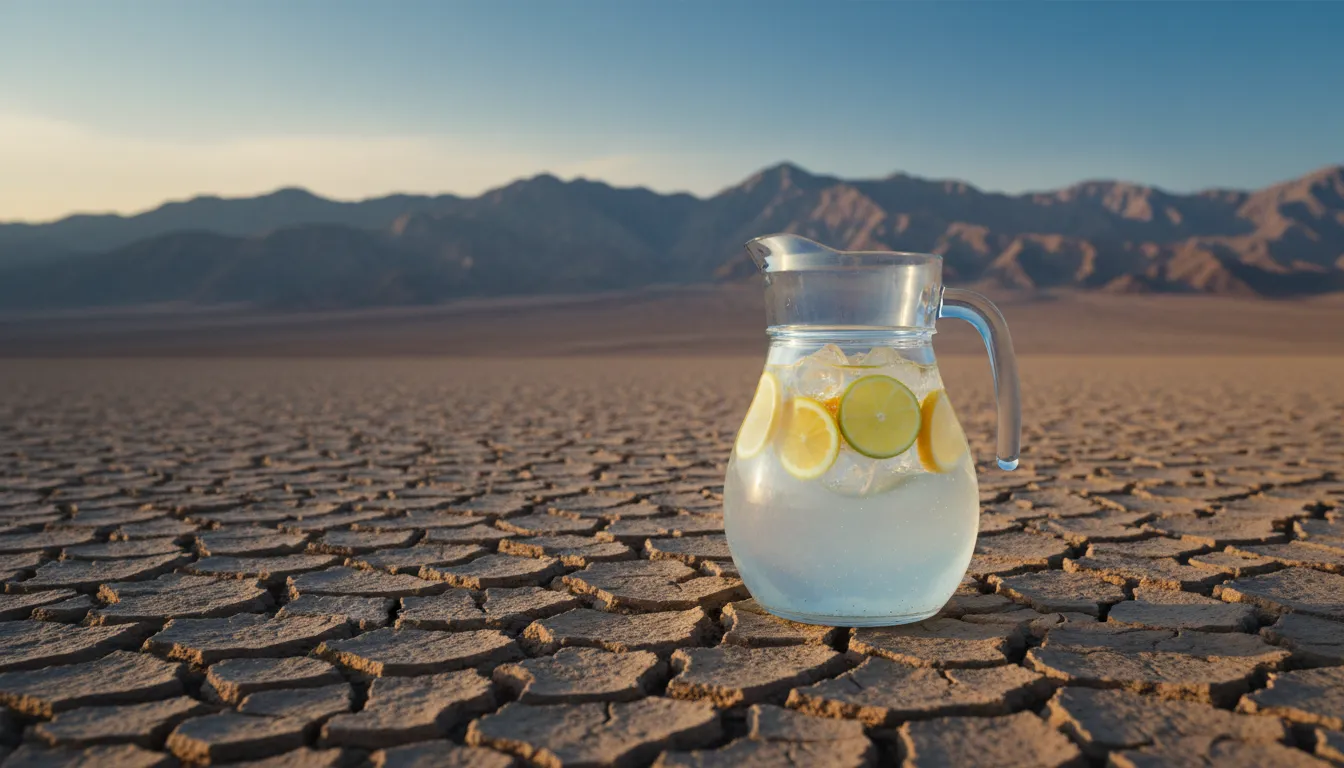
The Summer Cramp Pattern I See Every Year
Around mid-June, once we're deep into consistent triple-digit heat, I see a predictable rise in patients dealing with muscle cramping -- calves, hamstrings, sometimes the low back -- that wasn't a problem earlier in the year. The desert heat changes how much fluid and electrolytes your body loses just going about a normal day, and most people underestimate it significantly.
Why Cramps Happen
Muscle cramps are most commonly tied to a combination of dehydration and electrolyte imbalance, particularly sodium, potassium, and magnesium. When your body is sweating more than usual -- even from routine outdoor tasks in extreme heat, not just intense exercise -- those electrolytes deplete faster than most people replace them with plain water alone.
It's Not Always Purely About Fluids
Structural factors can make certain muscles more prone to cramping too. A muscle that's chronically working overtime to compensate for a structural imbalance is more likely to cramp under the added stress of heat and dehydration than a muscle working normally. This is part of why some patients cramp consistently in the same spot every summer.
Practical Prevention
- Increase electrolyte intake proactively during peak heat months, not just after a cramp happens
- Stretch gently before bed if nighttime calf cramps are a recurring issue
- Stay ahead of hydration rather than reacting to thirst, especially on high-heat days
- Address any underlying structural imbalance contributing to the muscle that keeps cramping
When Structural Correction Helps
If cramps are consistently localized to one specific muscle or area, it's worth having your structure evaluated with Advanced Biostructural Correction -- hydration alone may not fully resolve a pattern that has a mechanical root.
Related Conditions
If cramping is accompanied by broader numbness or tingling, that combination is worth mentioning at your visit, since it may point toward a nerve component beyond simple electrolyte depletion.
A Simple Way to Track Your Own Pattern
Keeping a brief note of when cramps happen -- time of day, what activity preceded it, whether it's the same muscle every time -- gives us useful information at your evaluation. A cramp that always hits the same calf muscle points toward a mechanical contributor worth structural evaluation; cramps that vary in location and correlate more clearly with heat exposure point more toward hydration and electrolytes as the primary driver. Understanding which pattern you have shapes what we recommend.
Magnesium's Often-Overlooked Role
Of the electrolytes involved in muscle function, magnesium tends to get less attention than sodium and potassium, but deficiency in it is genuinely common and frequently linked to cramping, particularly at night. If you're already managing hydration and other electrolytes without full relief, magnesium is worth discussing, and it's exactly the kind of specific, individualized gap Nutrition Response Testing can help identify.
Building a Simple Summer Hydration Routine
A consistent routine -- water first thing in the morning, an electrolyte drink during the hottest part of the day, and steady sipping rather than large infrequent gulps -- tends to work better than trying to catch up all at once after you're already feeling the effects.
Watch for Signs of More Serious Heat Illness
Severe cramping combined with confusion, very heavy sweating that suddenly stops, or a rapid heartbeat can signal heat exhaustion or heat stroke, which are medical emergencies requiring immediate attention, not a chiropractic visit. Knowing the difference between ordinary heat-related cramping and a genuine emergency matters, especially during our hottest stretches.
Don't Just Accept Summer Cramps as Normal
If cramping is a recurring part of your summer every year, it's worth understanding whether hydration, structure, or both are behind it. Call (623) 226-7527 or request an appointment.