The Question I Hear Most Often
"Is this normal, or should I get it checked?" Nearly every patient who walks in with low back pain has asked themselves that question first. Most people try to wait it out -- rest, a heating pad, maybe some over-the-counter medication. Sometimes that's genuinely enough. Often it isn't, and the pain becomes a pattern rather than a one-time event.
Signs You Shouldn't Wait
A few patterns tell me a patient needs an evaluation rather than more time:
- Pain that's been present, even mildly, for more than two to three weeks
- Pain that comes and goes but keeps returning in the same spot
- Stiffness that's worse in the morning and takes longer each day to loosen up
- Pain that radiates into a hip, glute, or down a leg
- Any numbness or tingling alongside the back pain
That last one matters. Numbness or tingling usually means a nerve is involved, not just muscle or joint irritation, and that changes how quickly I want to see you.
What's Usually Actually Going On
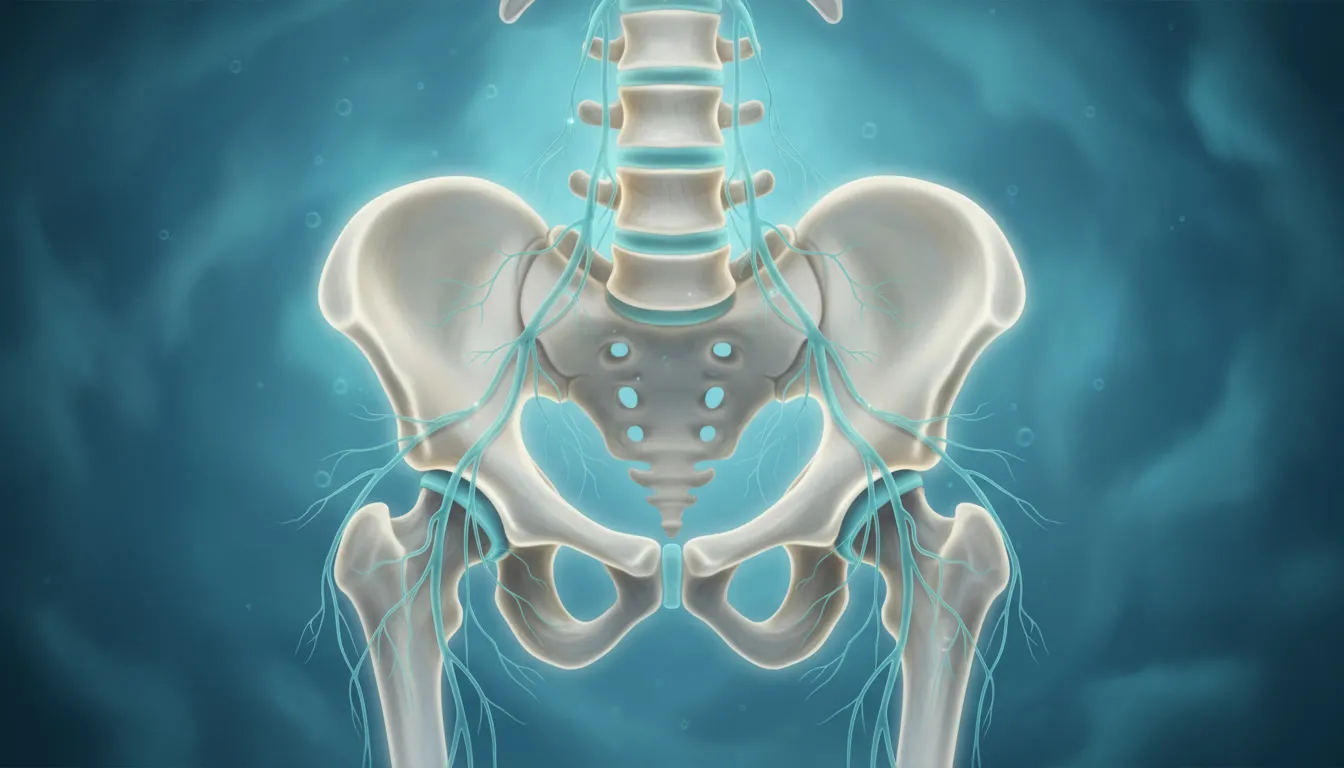
Low back pain rarely comes from one dramatic event. More often it's the accumulation of a structural shift -- a rotated pelvis, uneven weight-bearing, or a change in the curve of your lumbar spine -- that's been building for months or years before it finally announces itself. That's part of why generic stretching sometimes helps for a day and then the pain is right back: the stretch relieved the symptom, not the structural cause behind it.
At SpringBack, our starting point is a full structural evaluation using Advanced Biostructural Correction, because low back pain almost never lives in isolation from the rest of your spine. A shift in your neck or mid-back can absolutely be driving stress into your lower back, even if that's not where you feel it.
Related Conditions Worth Knowing About
Low back pain frequently overlaps with other patterns I see regularly, including sciatica-type leg pain, herniated disc presentations, and numbness or tingling in the legs or feet. If any of those sound familiar alongside your back pain, it's worth mentioning at your visit -- it changes what we look for.
What Care Looks Like Here
We don't hand you a generic stretching sheet and send you on your way. Your evaluation maps exactly where your structure has shifted, and your care plan is built around correcting that -- not just calming the muscle spasm that's making you miserable this week. For some patients, we'll also look at injury rehabilitation work to rebuild stability once the structural correction is underway.
Living in Surprise, AZ Doesn't Help
Between yard work in a climate that doesn't give you an off-season, golf, and a lot of driving on the 303, West Valley residents put a specific kind of repetitive load on the low back. None of that means pain is inevitable -- it just means your spine gets fewer natural breaks than it might somewhere else.
What Your First Visit Actually Involves
A first visit isn't a quick five-minute adjustment. We spend real time reviewing your history -- old injuries, work habits, activity level, and how your pain pattern has changed over time -- because low back pain almost never develops in isolation from the rest of your history. From there, a full structural evaluation maps exactly where your alignment has shifted, and we walk through the findings together before starting any correction, so you understand what we found and why the plan looks the way it does. There's no pressure to commit to a long-term plan on day one; the first priority is giving you an honest, specific answer about what's actually driving your pain.
Tracking Progress Beyond Just Pain Scores
We don't rely only on a subjective pain rating to know whether your structural correction is actually working. We reassess your alignment, range of motion, and how your structure is holding the correction between visits, which gives us a more complete picture than pain alone. Pain often improves before full structural stability is achieved, which is why some patients feel significantly better and are tempted to stop care early, only to have symptoms return a few weeks later. Understanding that distinction helps set realistic expectations for how long your specific plan should run.
Don't Wait for "Bad Enough"
If your low back pain has outlasted a couple of weeks of rest, or it's starting to change how you move through your day, that's the signal to come in. Call (623) 226-7527 or request an appointment and let's find out what's actually driving it.