A Diagnosis That Doesn't Have to Mean Surgery
When patients hear "herniated disc" from an imaging report, a lot of them assume surgery is inevitable. It isn't, for most cases. A significant number of herniated discs respond well to conservative, non-surgical care when the underlying structural cause is actually addressed rather than just the symptomatic area.
What's Actually Happening
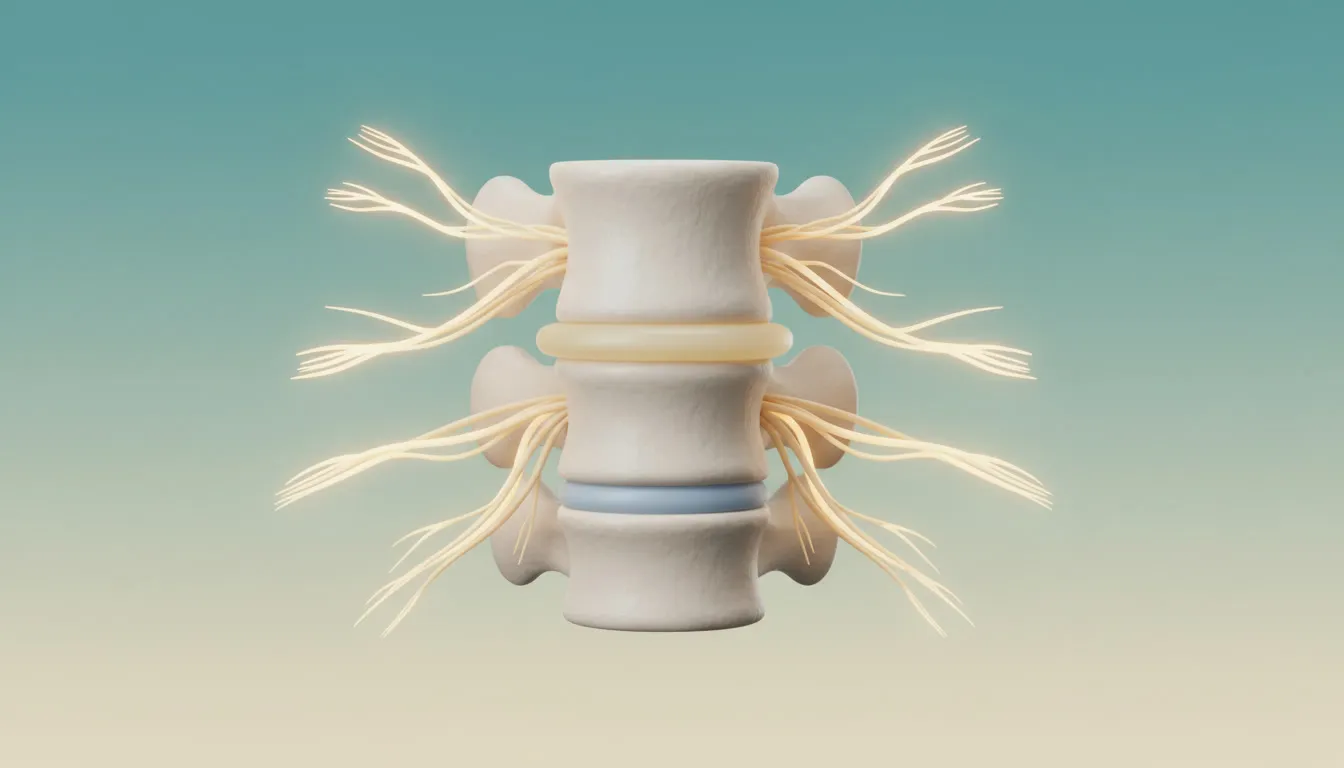
A disc herniation occurs when the soft inner material of a spinal disc pushes through a weakened outer layer, which can put pressure on nearby nerves. That pressure is often what causes the radiating pain, numbness, or weakness patients describe -- commonly down a leg in the case of a lumbar herniation, or down an arm with a cervical one.
Why Structure Matters Here
Disc herniations rarely happen in a structurally balanced spine out of nowhere. Chronic misalignment changes how weight and pressure are distributed across your discs, and over time that uneven load is a major contributor to disc breakdown. Addressing the alignment with Advanced Biostructural Correction reduces the abnormal pressure that's aggravating the disc, which is often what allows symptoms to genuinely improve rather than just being masked.
Symptoms Worth Paying Attention To
- Radiating pain down a leg, often associated with sciatica
- Numbness or tingling in the extremities
- Weakness in a specific muscle group
- Pain that worsens with sitting, bending, or coughing
What Care Looks Like
Your evaluation will include a full structural assessment, and your care plan is built around correcting the alignment issues contributing to the disc pressure, often paired with injury rehabilitation to build supporting strength as your symptoms improve.
When Surgery Is Still the Right Call
I'm not going to tell every patient that conservative care is the answer -- some cases genuinely need surgical intervention, particularly with significant or progressive nerve loss. Part of my job is helping you understand honestly where your case falls, not pushing one path regardless of what your body needs.
What Imaging Can and Can't Tell Us
If you already have MRI or X-ray results showing a herniated disc, that imaging is useful, but it's only part of the picture. Imaging shows the disc itself; it doesn't show how the rest of your spine is compensating around it, which is exactly what a structural evaluation adds. Two patients with an identical disc finding on imaging can have very different presentations and outcomes depending on the surrounding structural pattern, which is why we build your plan around a full evaluation, not the imaging report alone.
How We Monitor Your Progress
We track your symptoms closely over the course of care -- pain levels, any radiating leg or arm symptoms, and functional changes like how far you can walk or how long you can sit comfortably. If your case isn't responding the way we'd expect after a reasonable trial of conservative care, we'll tell you honestly and discuss whether a different path, including a referral, makes more sense rather than continuing indefinitely without meaningful progress.
Activities to Modify During Active Care
While your disc is healing, certain activities -- heavy lifting, prolonged sitting, high-impact exercise -- may need temporary modification. We'll give you specific, practical guidance on what to adjust and for how long, rather than a blanket "avoid everything" instruction that isn't actually necessary or sustainable.
A Note on Second Opinions
If you've been told surgery is your only option, seeking a structural evaluation as a second opinion before proceeding is a completely reasonable step, not a rejection of your surgeon's expertise. Many patients find real value in exploring conservative options first, with surgery remaining available if conservative care doesn't produce the improvement they're hoping for.
Explore Your Non-Surgical Options First
If you've been told you have a herniated disc and haven't yet explored structural correction, it's worth a conversation before deciding on the next step. Call (623) 226-7527 or request an appointment.