Healing Doesn't Stop When You Leave the Office
Structural correction gets your body into a position to heal, but what you eat between visits influences how efficiently that healing actually happens. Chronic low-grade inflammation makes it harder for tissue to recover and can keep pain lingering even after a structural correction has taken hold. This is part of why I often bring nutrition into the conversation, especially for patients managing chronic conditions like arthritis or fibromyalgia.
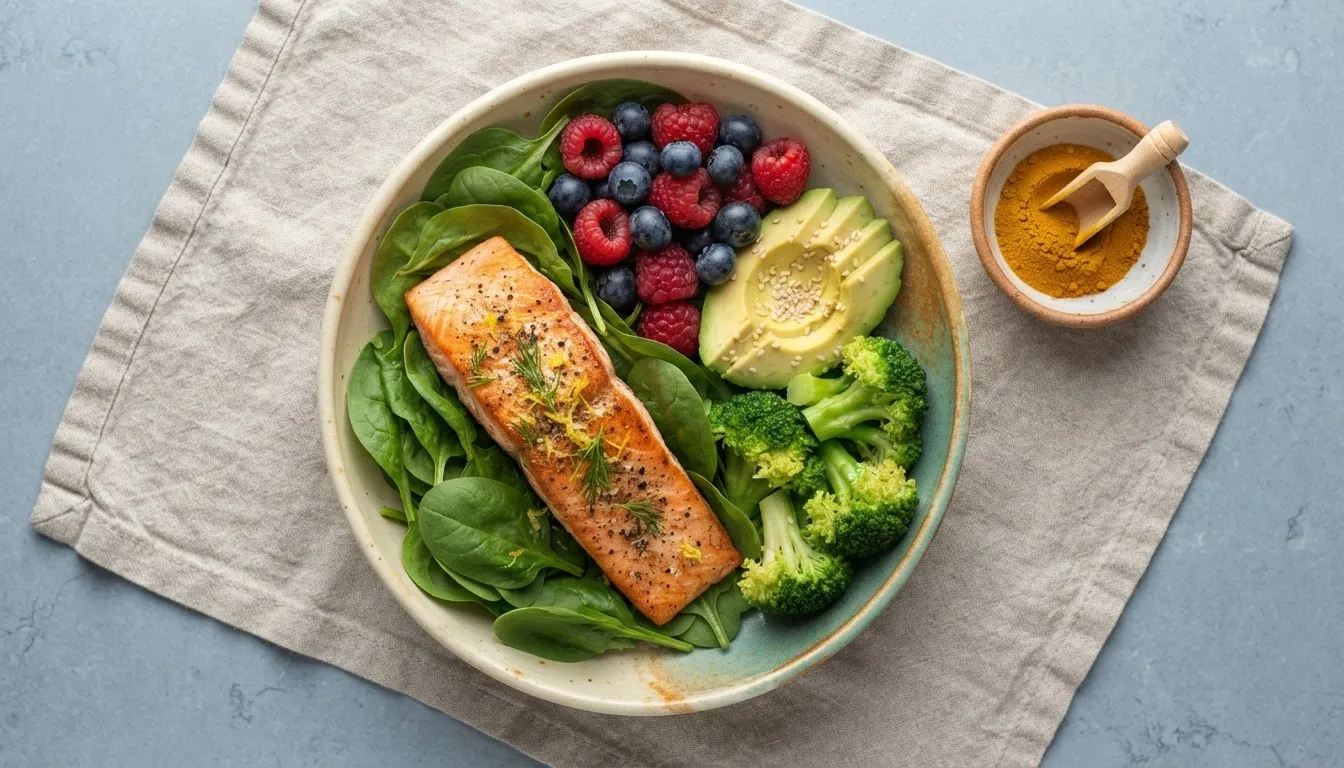
Foods I Recommend Most Often
- Fatty fish (salmon, sardines) -- a strong source of omega-3s, which support the body's natural anti-inflammatory processes
- Leafy greens -- spinach, kale, and similar greens are rich in antioxidants that help offset oxidative stress
- Berries -- blueberries and other dark berries carry compounds linked to reduced inflammatory markers
- Turmeric -- contains curcumin, which has been studied for its anti-inflammatory properties, particularly when paired with black pepper for absorption
- Extra virgin olive oil -- a better inflammatory profile than many refined oils commonly used in cooking
- Nuts and seeds -- walnuts and flaxseed in particular add more omega-3s to your diet
Foods That Work Against Healing
Highly processed foods, excess added sugar, and refined seed oils tend to promote inflammation rather than reduce it. That doesn't mean perfection is required -- it means being intentional, especially while you're actively working through a care plan.
Why This Matters More in Surprise, AZ
Our climate encourages a lot of grilling, poolside meals, and convenient takeout during the hottest stretches of the year, which can quietly shift a diet toward more processed, inflammatory foods without anyone really noticing. Being aware of that seasonal pattern helps.
Nutrition Response Testing Goes Deeper
General anti-inflammatory eating helps most people, but if you're dealing with a chronic issue that hasn't resolved, Nutrition Response Testing can identify specific deficiencies or imbalances unique to your body, rather than relying on general recommendations alone.
Small, Realistic Changes Matter Most
I don't ask patients to overhaul their entire diet overnight -- that rarely sticks. What tends to work better is picking one or two changes at a time: adding fatty fish twice a week, swapping a refined cooking oil for olive oil, or cutting back on one specific processed-food habit you already know isn't serving you. Consistent, realistic changes over months tend to outperform a strict short-term diet that falls apart after a few weeks, especially when you're also actively working through structural correction and need your body's healing capacity supported over the whole course of care.
Hydration Belongs in This Conversation Too
Anti-inflammatory eating is only part of supporting your body's healing capacity -- adequate hydration matters just as much, particularly for spinal discs and joint tissue, which depend on water content to function well. In our climate especially, it's easy to underestimate how much fluid your body actually needs, so we talk through both nutrition and hydration together as part of supporting whatever structural correction is underway.
A Practical Starting Grocery List
If you want a simple starting point, focus your next grocery trip around a few staples: fatty fish, a couple of leafy greens, a bag of frozen berries, and a bottle of good olive oil. Small, consistent additions like these tend to stick far better than an ambitious overnight overhaul of your entire kitchen.
Eating Out Doesn't Have to Derail You
Living in a place with plenty of dining options doesn't mean you have to abandon anti-inflammatory eating when you go out. Choosing grilled over fried, asking for dressings and sauces on the side, and prioritizing vegetables and lean protein on a menu are small, realistic choices that keep you mostly on track even when you're not cooking at home.
Fuel the Healing, Don't Fight It
If you're in active care with us, or just want a nutrition plan that actually supports your structure, let's talk specifics. Call (623) 226-7527 or request an appointment.