Setting Expectations Honestly
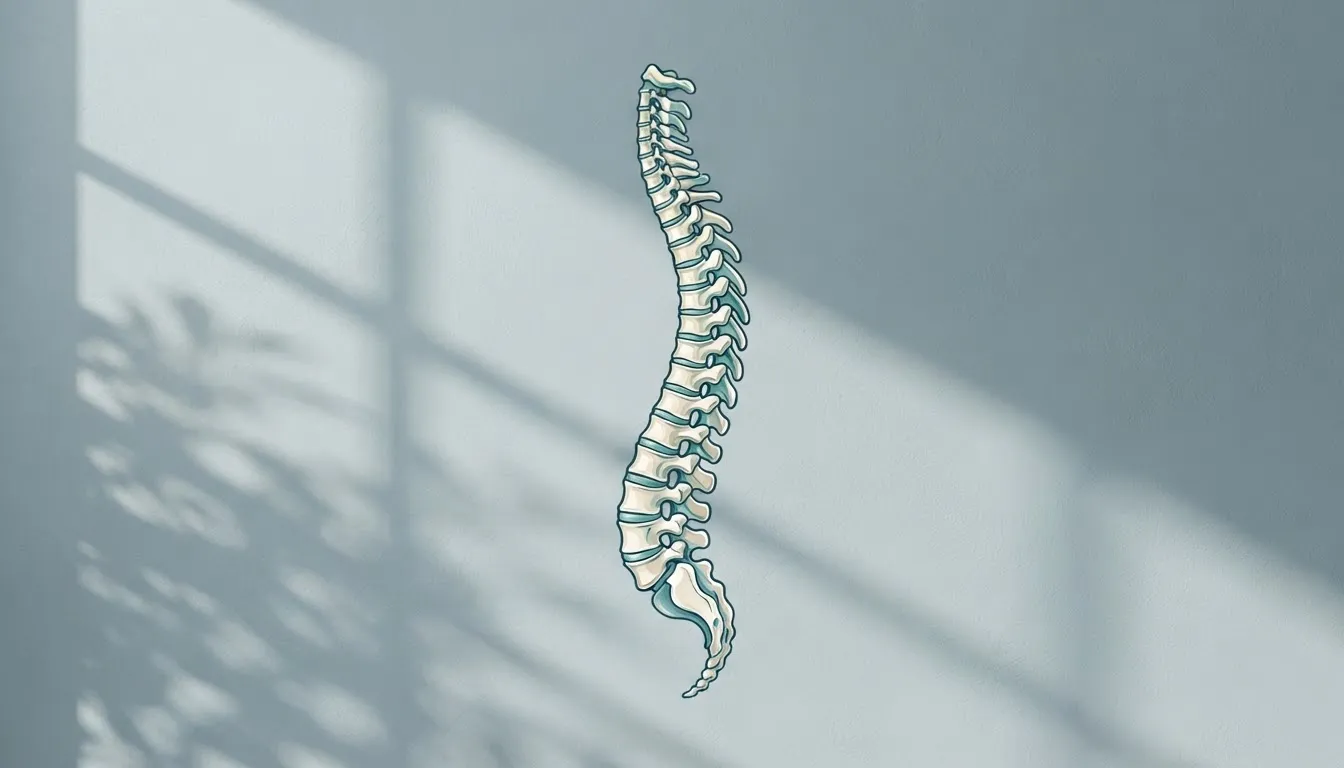
Scoliosis is one of the conditions I get asked about most directly, usually with a version of, "Can you fix my curve?" I want to answer that honestly rather than making a promise I can't keep: chiropractic care does not straighten a structural scoliotic curve on an X-ray. What it can do is meaningfully improve how your spine functions around that curve -- reducing pain, improving mobility, and slowing the compensation patterns that tend to develop over time.
Why Compensation Matters So Much in Scoliosis
A scoliotic curve rarely stays isolated. Your body compensates around it -- shoulders, hips, and other spinal regions all adjust to keep you upright and balanced. Over years, those compensations can become sources of pain independent of the curve itself. This is often where structural chiropractic care makes the biggest real difference: addressing the compensation pattern, not the curve measurement.
What We Actually Evaluate
Using Advanced Biostructural Correction, we assess how your entire spine, not just the scoliotic segment, is functioning and compensating. The goal is reducing unnecessary mechanical stress and improving function within the reality of your curve, rather than promising a change to the curve measurement itself.
Common Complaints in Scoliosis Patients
- Uneven shoulder or hip pain from compensation
- Back and neck pain from sustained asymmetric loading
- Fatigue from the extra muscular effort needed to stay upright against the curve
Building Supportive Strength
Injury rehabilitation exercises tailored to your specific curve pattern can help build the strength needed to support your spine more efficiently, which often reduces daily discomfort even without changing the underlying curve.
When to Involve Other Specialists
Significant or progressive curves, especially in growing adolescents, need coordinated care with an orthopedic specialist monitoring curve progression. I see chiropractic care as a complement to that monitoring, not a replacement for it, and I'll always tell you honestly when a referral makes sense.
Coordinating Care for Growing Patients
For adolescent patients with a known or suspected scoliotic curve, close coordination with an orthopedic specialist monitoring curve progression is essential, and I build my recommendations around that ongoing monitoring rather than working independently of it. Structural chiropractic care in this context is about function and comfort during the growing years, not an alternative to appropriate orthopedic follow-up. I'll always be direct with parents about what our care is, and isn't, addressing.
Adult-Onset and Long-Standing Curves
Adults living with a long-standing scoliotic curve often carry decades of accumulated compensation, which makes the functional-improvement approach especially relevant -- there's typically less concern about curve progression at this stage, and more opportunity to focus purely on reducing the pain and fatigue that compensation has created over the years. We build these plans around your actual daily function and comfort goals, not a curve measurement that likely isn't changing at this point in life.
Bracing and Chiropractic Care Together
For patients who are also using a brace as prescribed by their orthopedic specialist, structural chiropractic care can be coordinated alongside that bracing schedule, focusing on function and comfort within the constraints the brace requires, rather than working against the prescribed treatment plan.
Emotional Support Matters Too
A scoliosis diagnosis, particularly in adolescence, can carry real emotional weight around body image and self-consciousness. We try to be mindful of that dimension in how we talk about your structure and your care, focusing conversations on function and comfort rather than appearance in a way that could add to that burden.
An Honest Conversation About Your Options
If you're living with scoliosis and want a realistic conversation about what structural care can offer, let's talk. Call (623) 226-7527 or request an appointment.