A Modern Pattern With Real Structural Consequences
"Tech neck" isn't a formal medical diagnosis, but the pattern behind it is very real, and I see it constantly -- a sustained forward head posture from hours spent looking down at phones, laptops, and tablets. It affects patients of every age, from teenagers to retirees, and the structural consequences are cumulative.
Why This Posture Is So Damaging
For every inch your head moves forward of its natural, balanced position over your shoulders, the effective load your neck muscles have to support increases significantly. Multiply that by hours a day, day after day, and you have a sustained mechanical strain that most people never connect to the "just a habit" screen posture they've fallen into.
Symptoms Tied to Tech Neck
- Chronic neck and upper back tension
- Headaches that build over the course of a screen-heavy day
- Shoulder tightness from the compensating upper back muscles
- Reduced range of motion turning the neck side to side
More Than Just "Sit Up Straighter"
Conscious posture correction fights fatigue all day, especially once a structural pattern has developed from months or years of forward head posture. Advanced Biostructural Correction addresses the actual structural shift, which is why maintaining better posture tends to become noticeably easier after correction rather than requiring constant effort.
Practical Screen Habits to Build
- Raise screens to eye level where possible, rather than looking down
- Take a break every 30 minutes to reset your posture and move your neck through its full range
- Hold your phone up rather than looking down at it in your lap
Younger Patients Aren't Immune
I'm seeing tech neck patterns in noticeably younger patients than a decade ago, which reflects how much earlier heavy screen use starts now. Catching and correcting this pattern earlier prevents years of compounding strain.
Work-From-Home Setups Deserve a Second Look
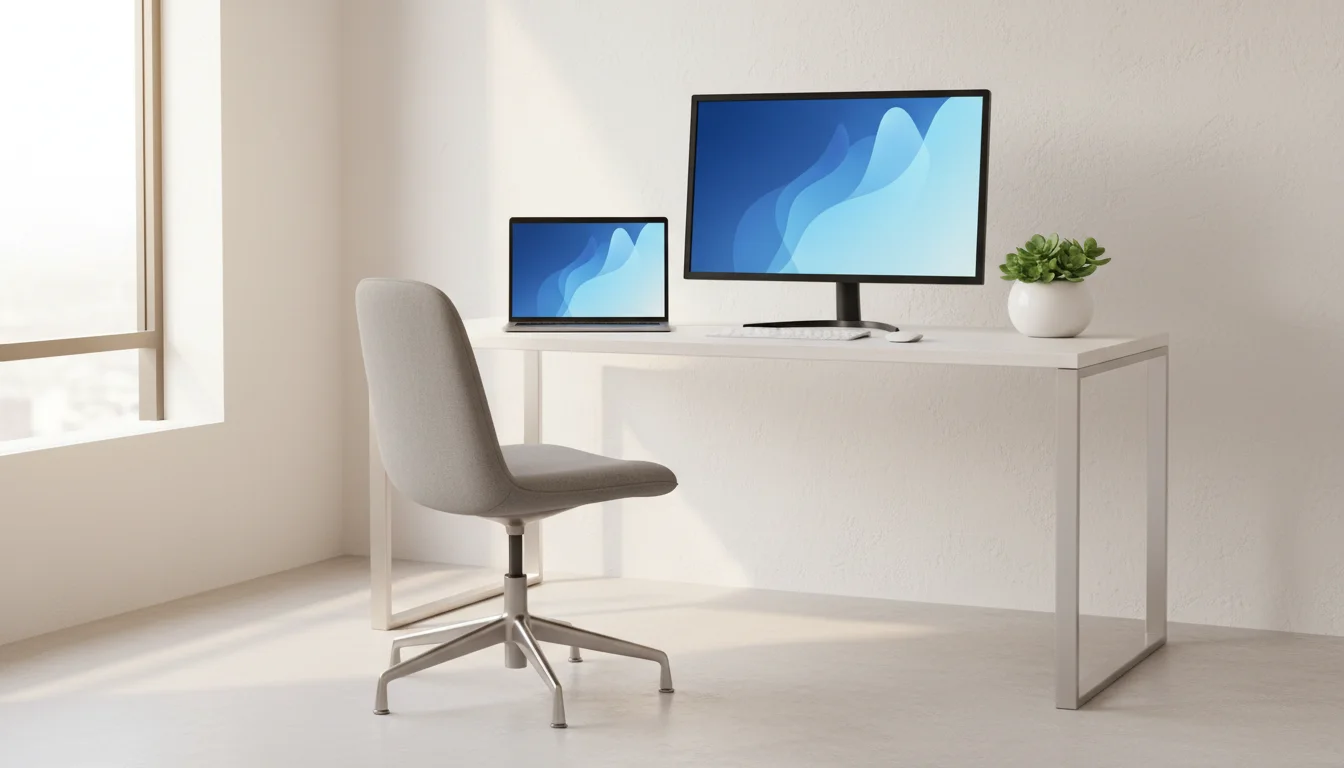
If you work remotely, take a hard look at your actual setup, not just your intentions. A laptop balanced on your lap or a kitchen table, used for hours without an external monitor at eye level, is one of the most common contributors to tech neck I see in working patients. A relatively inexpensive monitor riser or external keyboard setup can meaningfully reduce the strain your neck absorbs every single workday, and it's worth pairing that change with structural correction rather than relying on equipment alone.
Phone Habits Worth Reconsidering
Beyond desk setups, everyday phone use adds up more than people realize -- scrolling while walking, reading in bed, or checking notifications throughout the day all reinforce the same forward head posture in short, frequent bursts. Being mindful of holding your phone higher, even briefly, throughout the day contributes meaningfully to reducing the cumulative strain over weeks and months.
Simple Reminders That Actually Help
Setting a recurring reminder to check your posture every hour, or using a standing desk for part of the day, are small, low-effort changes that add up meaningfully over weeks and months when paired with structural correction addressing the underlying pattern.
Gaming and Tech Neck in Teens
Extended gaming sessions produce the same forward head posture pattern we see from work-related screen time, often for even longer uninterrupted stretches. Parents of teens who game heavily should be aware this is a genuine contributor worth watching for, not just a habit to dismiss as harmless downtime.
Reset Your Neck Before It Becomes Chronic
If hours of screen time have left your neck chronically tight or achy, it's worth addressing the structural pattern directly. Call (623) 226-7527 or request an appointment.