What "Cold" Laser Actually Means
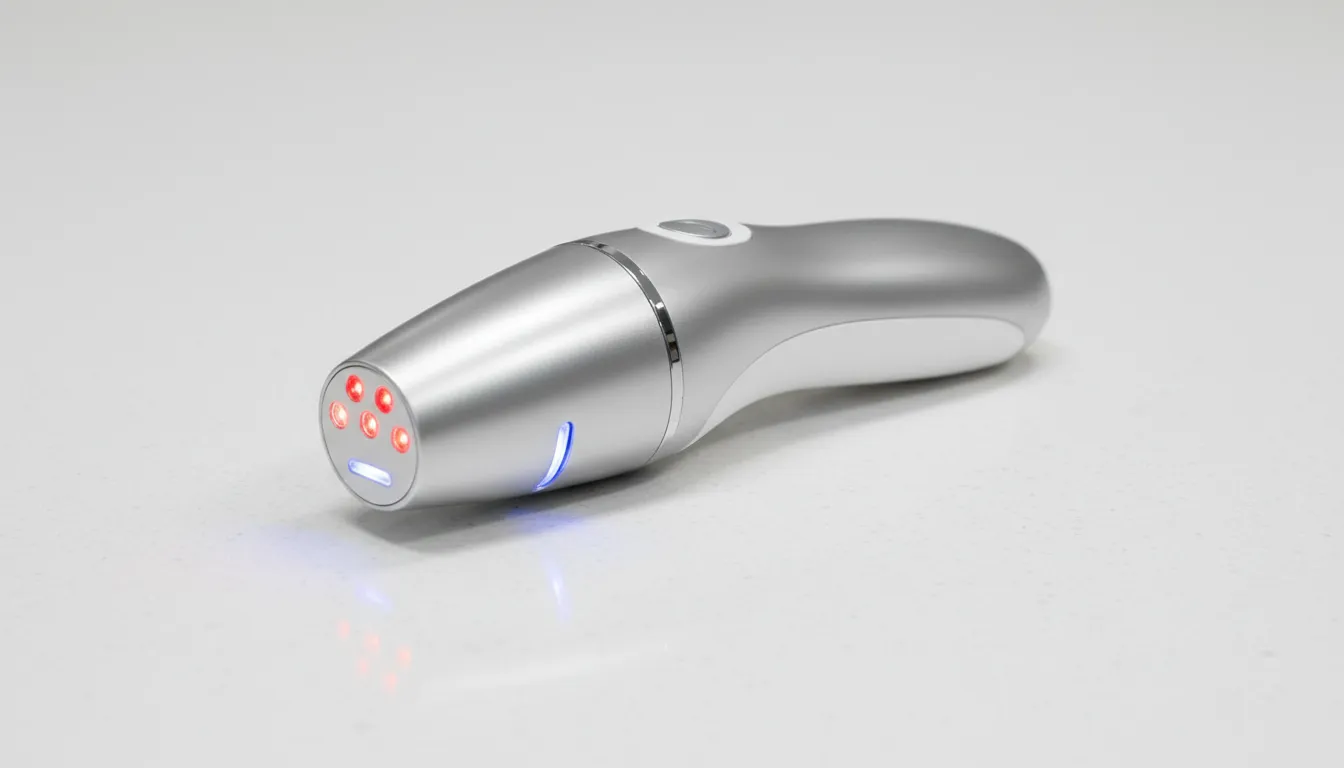
Despite the name, Class IV cold laser therapy doesn't feel cold, and it's not related to cryotherapy. "Cold" refers to the fact that the laser operates below the threshold that would heat or damage tissue, unlike surgical lasers. Instead, specific wavelengths of light penetrate into the tissue and stimulate cellular activity -- a process called photobiomodulation -- that can support the body's own repair processes.
Why We Use It
Structural correction addresses alignment, but inflamed or damaged soft tissue still needs time and the right conditions to heal. Cold laser therapy is one of the tools we use to support that healing process, particularly for:
- Soft tissue strains and sprains
- Inflammation around joints affected by conditions like bursitis or arthritis
- Slow-healing areas following an injury
- Chronic tension patterns that haven't responded fully to adjustment alone
What a Session Feels Like
Most patients feel a gentle warmth, if anything at all, during the roughly five to ten minute treatment. There's no downtime -- you can go straight back to your day afterward.
How It Fits Into Your Overall Plan
Cold laser therapy isn't a standalone treatment in our office -- it's a complement to your structural care. Advanced Biostructural Correction addresses the alignment issue driving your symptoms; cold laser therapy supports the tissue healing that needs to happen alongside that correction, especially in acute or particularly inflamed cases.
Who Tends to Benefit Most
Patients recovering from sports injuries, dealing with stubborn soft tissue inflammation, or working through injury rehabilitation after an accident often see the laser incorporated into their plan. It's not the right tool for every case, which is why we evaluate first rather than applying it by default.
Set Realistic Expectations
I won't tell you cold laser therapy is a miracle cure -- no single tool is. What it offers is a non-invasive, evidence-informed way to support your body's healing capacity while we address the structural cause of your pain directly.
How Many Sessions Are Usually Needed
The number of sessions varies depending on how acute or chronic the tissue issue is. Some patients notice a difference after just a couple of sessions, especially with recent, acute inflammation; more chronic or stubborn areas typically need a longer course paired consistently with structural correction to see lasting results. We'll give you an honest estimate based on what we find at your evaluation, and we track your response along the way rather than committing you to a fixed number of sessions regardless of how you're actually progressing.
Who Should Avoid This Therapy
Cold laser therapy isn't appropriate for every patient -- certain conditions and situations, including some medications and specific health histories, require caution or avoidance altogether. We always review your health history before recommending it, and we'll tell you plainly if it isn't a good fit for your particular case rather than defaulting to it for every patient who walks through the door.
Combining Laser Therapy With Other Modalities
Cold laser therapy is often just one piece of a broader care session that may also include structural correction and, when appropriate, targeted rehabilitation exercises. We sequence these elements deliberately within a visit, since the order and combination matters for getting the most benefit out of each component of your care.
A Note on the Evidence Behind It
Photobiomodulation, the underlying mechanism behind cold laser therapy, has a genuine and growing body of research supporting its role in supporting tissue repair and reducing inflammation. I like offering patients tools that have real evidence behind them, not just tradition or marketing, which is part of why we selected this specific technology for the practice rather than a less-studied alternative.
Curious Whether It's Right for You?
If you're dealing with an injury or chronic inflammation and want to know whether cold laser therapy fits into your care plan, let's talk. Call (623) 226-7527 or request an appointment.