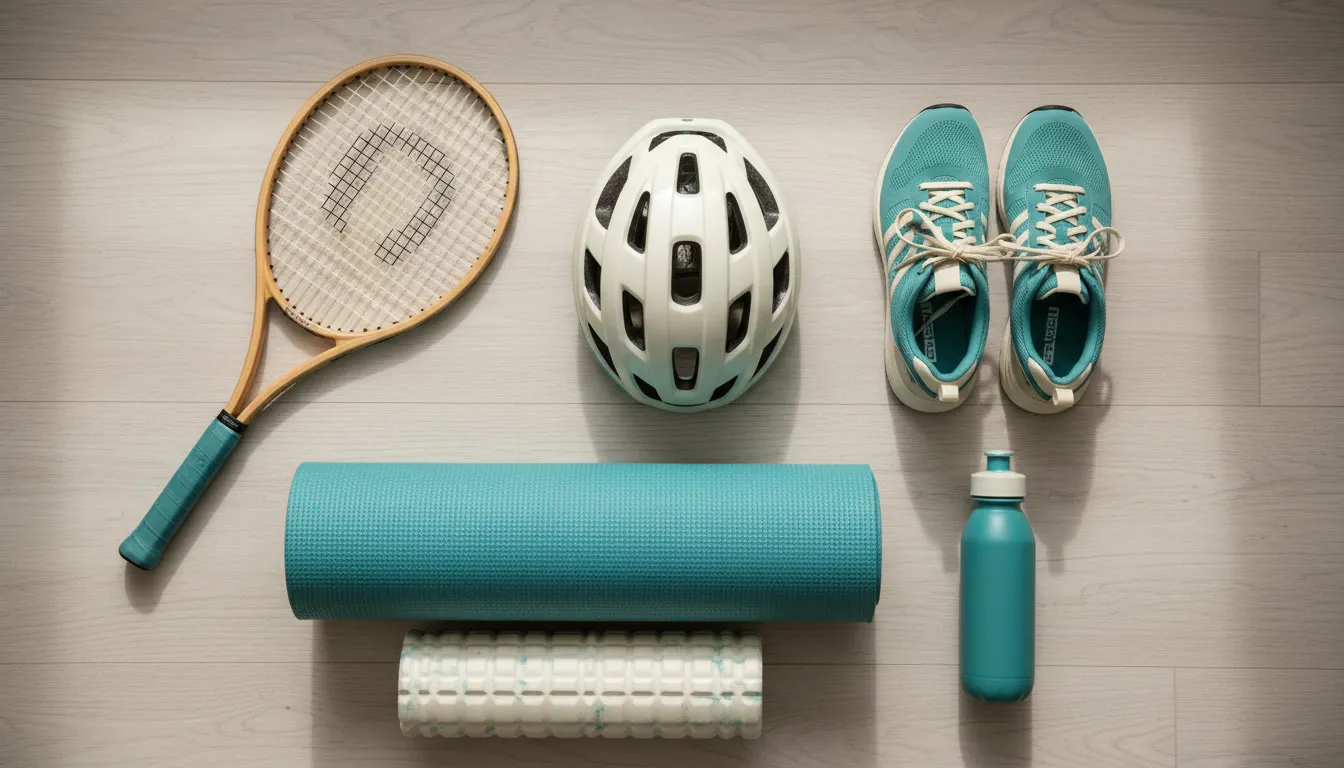
A Year-Round Active Community
Between youth sports leagues, golf courses, pickleball courts, and an active retiree population, Surprise stays busy athletically nearly year-round, which means a fairly consistent flow of sports-related injuries coming through our doors regardless of season.
The Patterns I See Most
Low back strain -- most commonly from golf, rotational sports, and weight training, often tied to an underlying low back pain pattern that the sport aggravated rather than caused outright.
Shoulder injuries -- common in overhead and racquet sports like tennis, pickleball, and swimming, frequently connected to the mechanics discussed in our shoulder pain article.
Knee pain -- especially common in runners and youth athletes, often tracing back to hip and pelvic mechanics rather than the knee joint itself, as covered in our knee pain piece.
Ankle and foot strain -- frequent in running and court sports, sometimes overlapping with foot pain patterns tied to gait mechanics.
Whiplash-type neck strain -- less common in sports specifically, but does show up in contact sports and falls, similar to what we described in our whiplash article.
Why the Same Injuries Recur
A recurring theme across all of these: injuries tend to repeat in the same athletes because the underlying structural imbalance that made them vulnerable in the first place was never actually addressed, only rested and returned to.
Our Approach
We start with a full structural evaluation using Advanced Biostructural Correction to identify what's actually driving your injury pattern, then layer in injury rehabilitation to rebuild strength and stability once the structural correction is underway.
Prevention Is Worth as Much as Recovery
For our most active patients, periodic structural check-ins between seasons help catch small imbalances before they become the next injury -- a proactive approach that tends to keep you playing more consistently.
Off-Season Is the Best Time to Get Evaluated
If you're between seasons or between events right now, that's actually an ideal window for a structural evaluation, since there's no immediate competition schedule pressuring a rushed timeline. Addressing an imbalance during a lower-demand period tends to go more smoothly than trying to correct it while also managing an active training or competition load, and it sets you up better for whatever's next on your calendar.
Building a Long-Term Relationship With Active Patients
Many of our most active patients see us not just when something hurts, but as an ongoing part of how they maintain their ability to keep doing the activities they love. That shift, from purely reactive to genuinely proactive care, tends to produce noticeably fewer injuries over time, and it's a relationship we're glad to build with patients across every sport and activity level in Surprise.
Cross-Training Reduces Repetitive Strain
Athletes who train exclusively in one sport tend to load the same structures repetitively, without the variety that naturally comes from mixing activities. Incorporating cross-training, even modestly, gives overworked structures a break while still maintaining overall fitness, which is a practical, low-cost way to reduce your injury risk alongside any structural care.
Documenting Recurring Injuries Helps Us Help You
If a specific injury has recurred multiple times over the years, bringing that history to your evaluation, including roughly when and under what circumstances it happened each time, gives us genuinely useful pattern information that a single snapshot evaluation wouldn't reveal on its own.
A Quick Word on Equipment Fit
Ill-fitting shoes, an incorrectly sized racquet grip, or worn-out cleats can all quietly contribute to the exact injury patterns discussed above. It's worth a quick equipment check alongside any structural evaluation, since sometimes part of the fix is as simple as the gear itself.
Get Back to What You Love Doing
Whether you're managing a current injury or want to get ahead of the next one, our team can help. Call (623) 226-7527 or request an appointment.