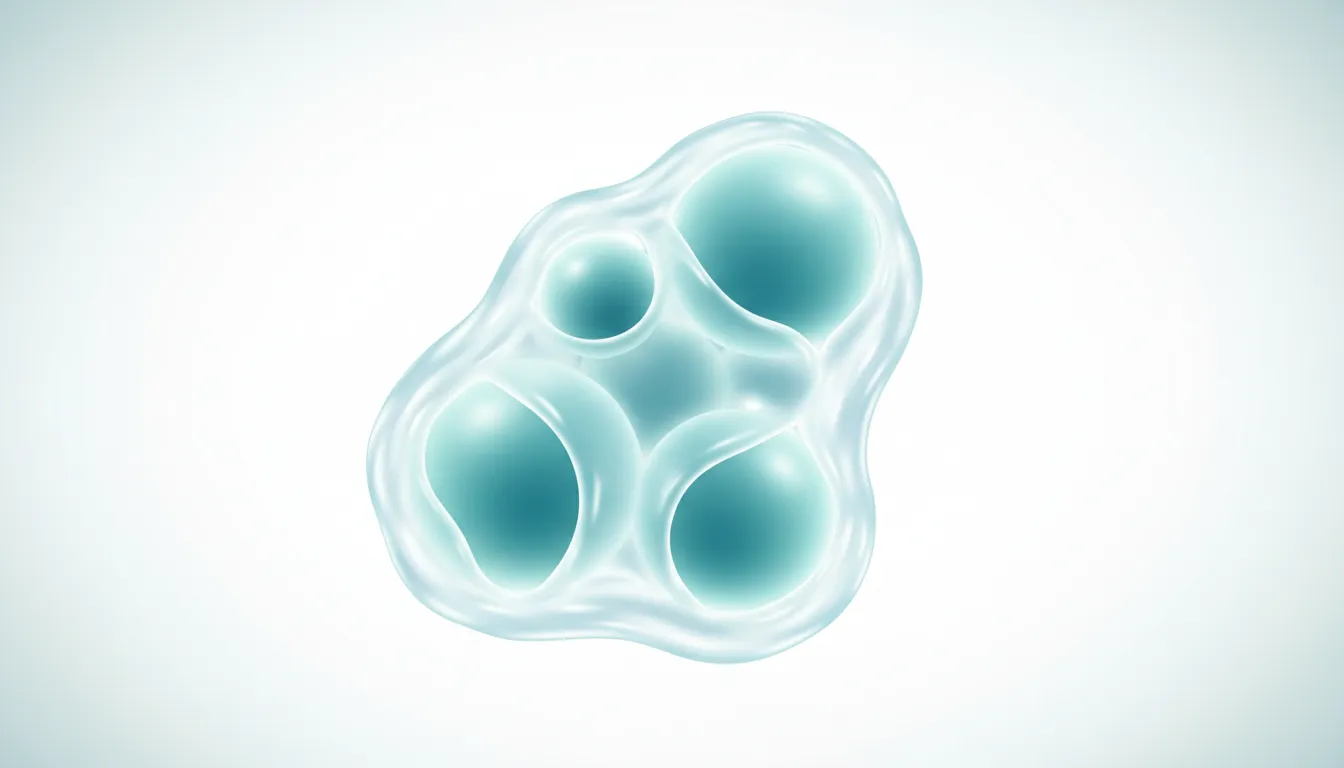
What Bursitis Actually Is
Bursae are small fluid-filled sacs that cushion your joints, reducing friction between bones, tendons, and muscles. When a bursa becomes irritated and inflamed -- often from repetitive motion or sustained pressure -- the result is bursitis, which can be sharp, localized, and surprisingly limiting for something that isn't a "major" joint injury.
Why It Often Comes Back
A lot of patients treat bursitis with rest and anti-inflammatories, get relief, and then find it flares again a few months later in the same joint. That pattern usually means the repetitive mechanical stress causing the irritation was never actually addressed -- only the inflammation was calmed temporarily.
Common Locations and Contributing Factors
- Shoulder bursitis, often tied to overhead movement patterns and shoulder pain more broadly
- Hip bursitis, frequently related to gait compensation from pelvic asymmetry
- Knee bursitis, often connected to the same hip-spine mechanics discussed in our knee pain article
Addressing the Mechanical Root
Rather than only addressing the inflamed bursa, we look at what mechanical pattern is putting repeated stress on that joint in the first place, using Advanced Biostructural Correction to identify and correct the underlying imbalance.
Supporting Active Healing
Cold laser therapy is often useful for actively inflamed bursitis, supporting tissue healing directly while the structural correction addresses the mechanical cause that led to the flare in the first place.
When to See Someone Sooner Rather Than Later
Bursitis pain that's severe, accompanied by significant swelling, warmth, or fever should be evaluated promptly to rule out infection, which needs different management entirely. For the more common mechanical bursitis pattern, earlier evaluation tends to mean a faster, more complete recovery.
Activity Modification During Active Flares
While we're addressing the mechanical cause, temporarily modifying the specific movement that's aggravating the inflamed bursa gives the tissue a better chance to calm down. This doesn't mean stopping activity altogether -- it means being strategic about which specific motions to avoid or adjust for a period, which we'll walk through with you based on exactly which joint and movement pattern is involved in your case.
Preventing Recurrence Long-Term
Once an active flare has calmed down, the real work shifts to preventing recurrence -- which means confirming the underlying mechanical imbalance has actually been corrected, not just that the current flare has resolved. We check in periodically after your initial course of care to confirm the correction is holding, since bursitis has a real tendency to return if the mechanical root cause wasn't fully addressed the first time.
Icing Guidance for an Acute Flare
If you're managing an acute bursitis flare at home before your visit, brief periods of ice application can help calm the inflammation temporarily, though it doesn't address the underlying mechanical cause. Think of it as short-term comfort while you work toward getting the actual cause evaluated.
Occupational Contributors Worth Identifying
Certain jobs involve repetitive kneeling, overhead reaching, or leaning on elbows, all of which are classic contributors to specific bursitis patterns. If your work involves one of these repetitive positions, identifying and modifying it, where reasonably possible, is an important part of preventing the same bursitis from returning once it's resolved.
A Note on Repeat Injections
Some patients arrive having had multiple cortisone injections for the same bursitis over time. Repeated injections without addressing the underlying mechanical cause tend to produce diminishing returns, which is exactly the pattern that makes a structural evaluation worth considering if you've been down that road already.
Break the Flare-Up Cycle
If bursitis keeps coming back in the same joint no matter how much rest you give it, the mechanical cause probably hasn't been addressed yet. Call (623) 226-7527 or request an appointment.