The Short Answer: Often, Yes
Sciatica is one of the most common reasons patients seek out our office, and the short, honest answer is: yes, structural chiropractic care helps a large number of sciatica cases, because sciatica is fundamentally a nerve pressure problem, and structural correction is specifically aimed at relieving the misalignment creating that pressure.
What Sciatica Actually Is
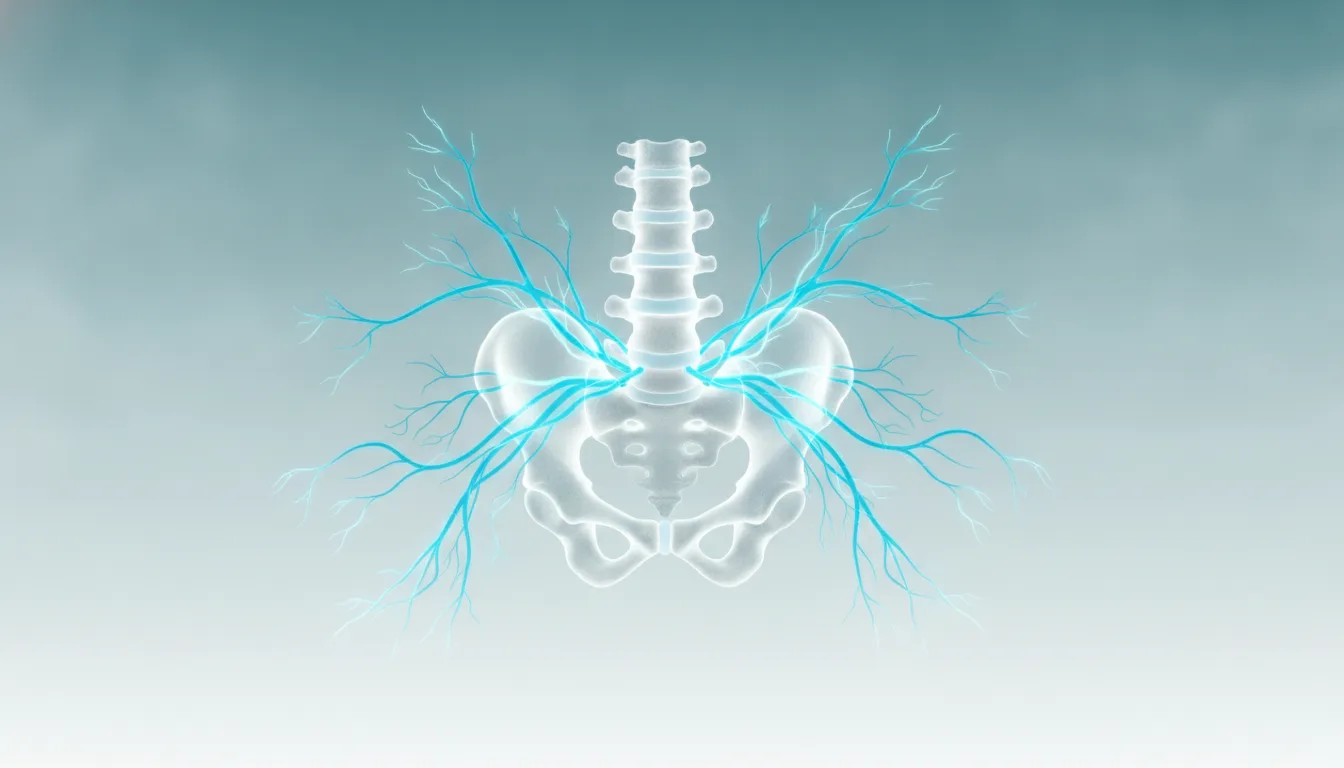
Sciatica describes pain that radiates along the sciatic nerve, which runs from your low back through the hip and down the back of the leg. It's a symptom, not a standalone diagnosis -- the underlying cause is usually a structural issue putting pressure on the nerve at or near its origin in the lumbar spine, sometimes related to a herniated disc or general low back misalignment.
What Sciatica Typically Feels Like
- Sharp, shooting, or burning pain running from the low back or glute down the leg
- Numbness or tingling along the same path
- Pain that worsens with prolonged sitting or certain movements
- In some cases, weakness in the leg or foot
How We Address It
Because sciatica originates from spinal nerve pressure, we evaluate your full structure using Advanced Biostructural Correction to find and correct the specific misalignment putting pressure on the nerve, rather than just addressing the leg where the pain radiates.
What to Expect
Many patients notice meaningful improvement as the structural correction relieves nerve pressure, though the timeline varies depending on how long the pressure has been present and how significant the underlying structural shift is. I'll give you an honest sense of what to expect based on your specific evaluation, not a generic promise.
When Sciatica Needs a Different Path
Severe or progressive sciatica with significant weakness or loss of bowel/bladder control is a medical emergency requiring immediate evaluation, not chiropractic care. For the much more common presentation of radiating pain and discomfort, structural correction is often the right starting point.
What Your First Few Visits Focus On
Early visits typically focus on relieving the acute nerve pressure driving your most severe symptoms, with the broader structural correction continuing as those symptoms calm down. We'll check in regularly on how the radiating pain and any numbness or tingling are changing, since that trajectory tells us whether the correction is addressing the nerve pressure effectively or whether we need to reassess our approach. Most patients can expect some meaningful improvement within the first several visits if the sciatica is responding to structural correction as anticipated.
Gentle Movement During an Acute Flare
During a painful sciatica flare, complete bed rest tends to be counterproductive -- gentle, tolerable movement, within your comfort limits, generally supports recovery better than prolonged inactivity. We'll give you specific guidance on what's appropriate for your particular presentation, since the right amount and type of movement varies depending on exactly how your sciatica is presenting.
Sitting Habits Worth Reconsidering
Prolonged sitting, particularly in a soft chair or slouched position, tends to aggravate sciatic nerve pressure. Simple changes -- standing breaks, better lumbar support, and being mindful of posture during long sitting stretches -- genuinely support your recovery alongside structural correction.
Recurring Sciatica Deserves a Deeper Look
If sciatica keeps returning even after periods of relief, that pattern suggests the underlying structural imbalance wasn't fully corrected, or a new compensation pattern has developed since. Recurring cases get a more thorough reassessment rather than simply repeating the same initial treatment approach that provided only temporary relief before.
Find Real Relief From Sciatica
If sciatica has been limiting your daily life, let's find the structural cause behind it. Call (623) 226-7527 or request an appointment.